Winter Roasted Vegetable Salad Recipe
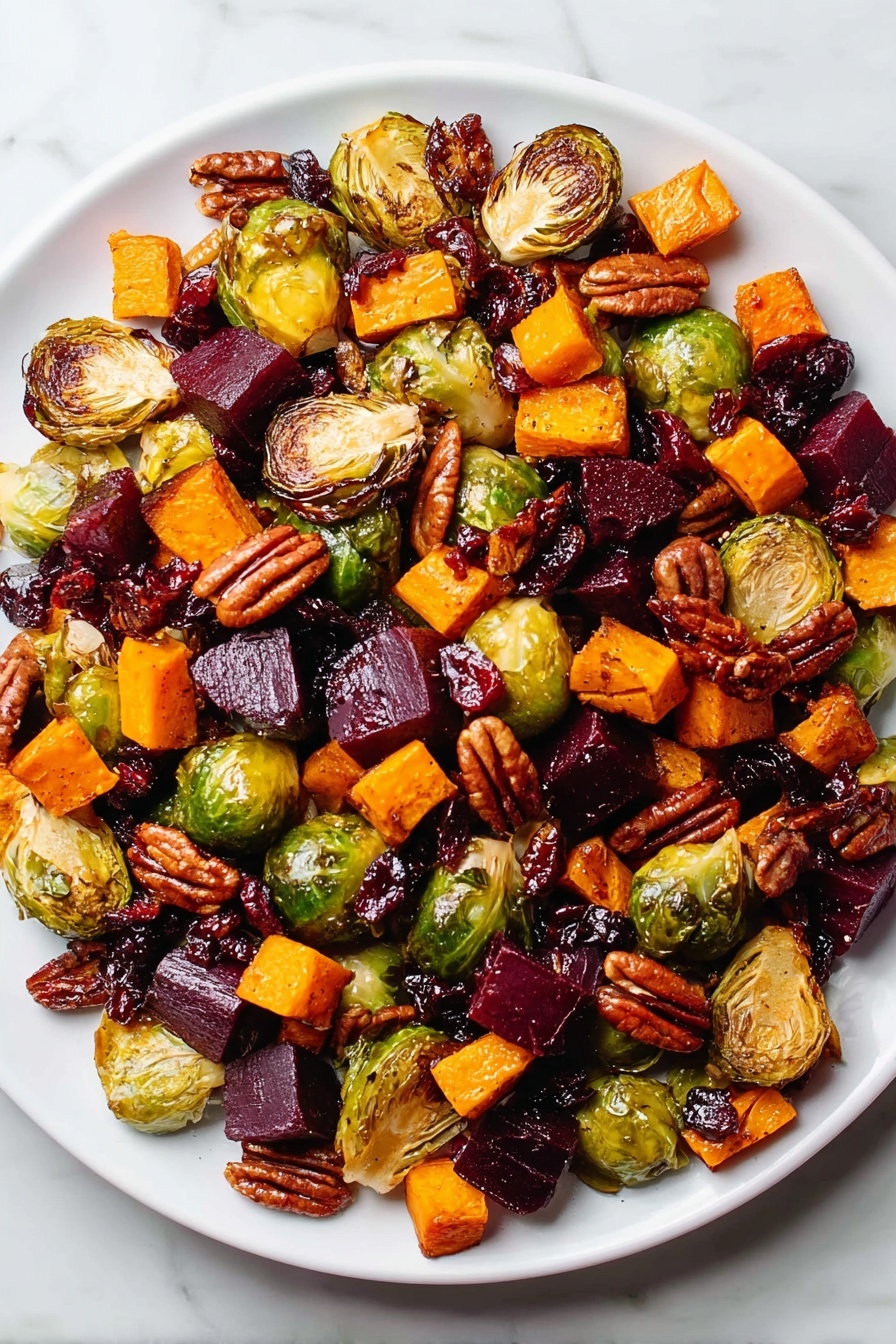
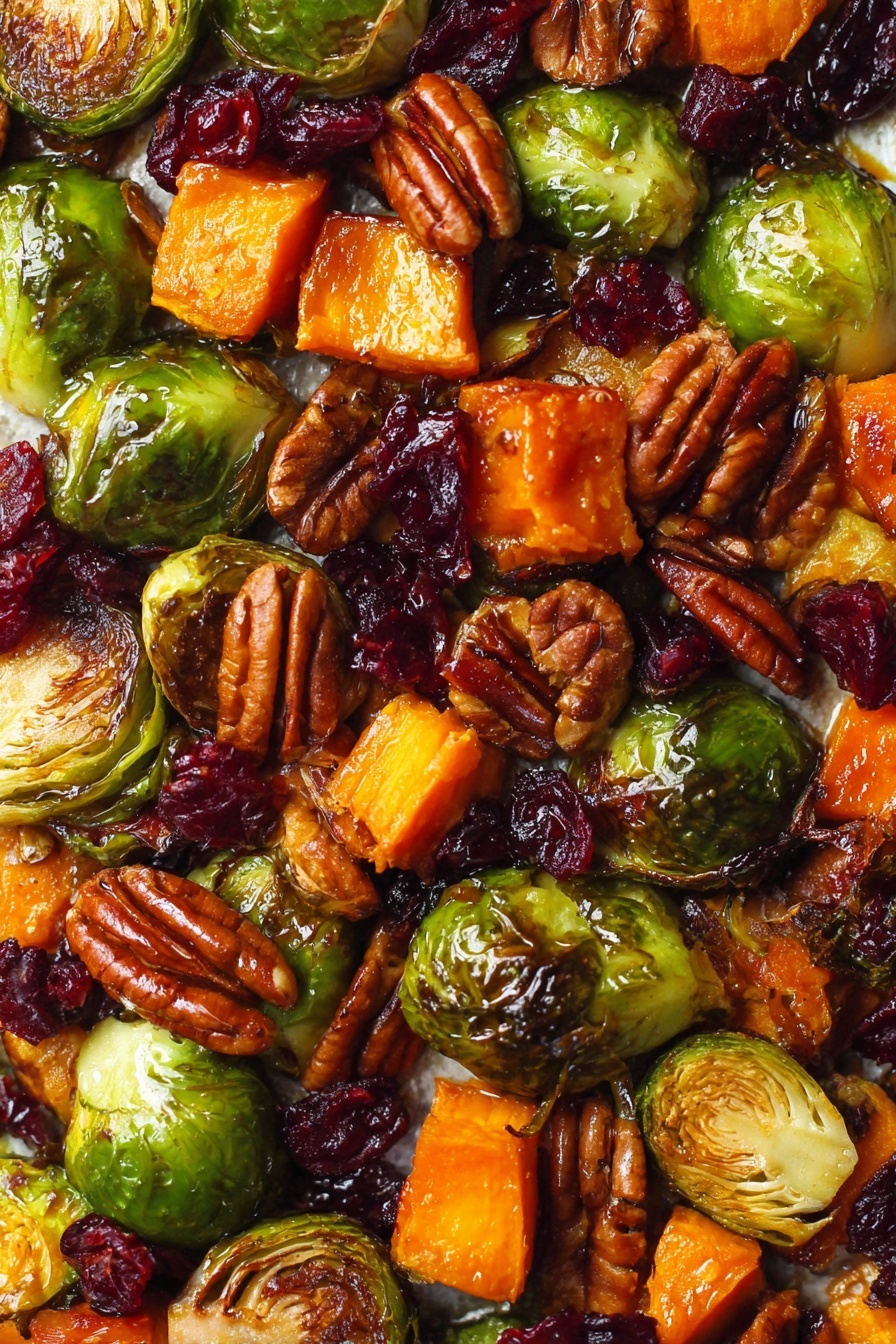
If you’re craving something cozy, vibrant, and full of that wonderful winter warmth, this Winter Roasted Vegetable Salad Recipe is going to feel like a big, colorful hug. Imagine tender roasted Brussels sprouts, sweet butternut squash cubes, earthy beets, crunchy toasted pecans, and tart dried cranberries — all tossed together and drizzled with a tangy maple-lime dressing or a luscious balsamic glaze. It’s a salad that feels like a side and a main all in one, perfect for chilly days or holiday tables. Stick around — I’m going to walk you through every step to make sure you nail it just like I do in my own kitchen!
Why This Recipe Works
- Seasonal Flavors: It celebrates winter’s best produce, combining sweet, earthy, and savory notes that feel balanced and fresh.
- Texture Harmony: Roasting brings out caramelized, tender veggies while pecans add that satisfying crunch you crave.
- Flexible Dressings: Choose between a zesty maple-lime or a rich balsamic glaze — both complement the vegetables beautifully.
- Make-Ahead Friendly: You can prep key components like beets and pecans ahead, making weeknight dinners a breeze.

Ingredients & Why They Work
The magic behind this Winter Roasted Vegetable Salad Recipe comes down to each ingredient playing its perfect part. You want sturdy veggies like Brussels sprouts and butternut squash that roast beautifully, bringing out that deep caramelized flavor. Pre-cooked beets add their sweetness without bleeding into the whole dish, and toasted pecans lend a toasty crunch that’s hard to beat.
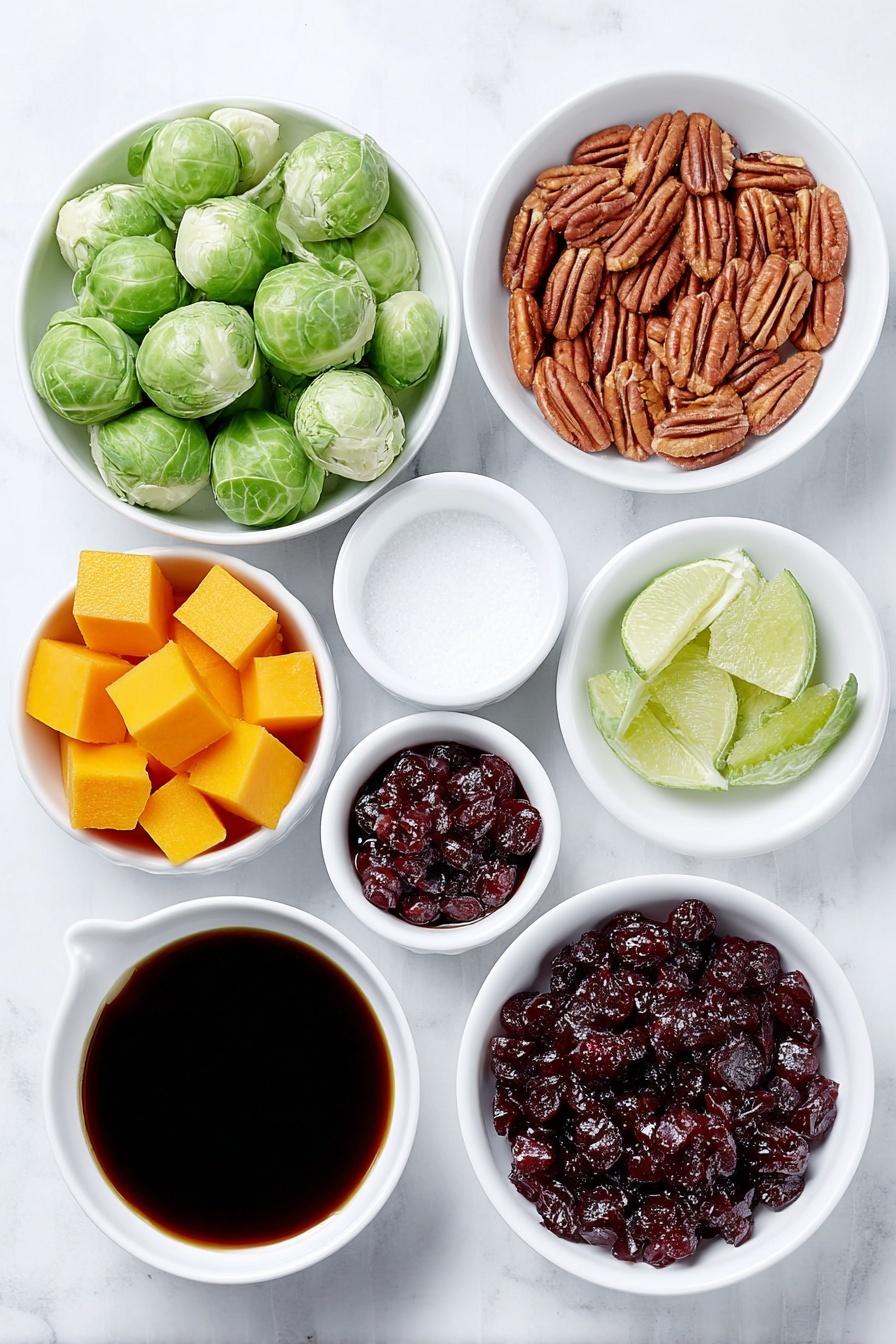
- Brussels sprouts: Choose fresh, firm sprouts without yellowed leaves for the best roast and texture.
- Butternut squash: Look for ones with smooth skin and no soft spots — peeling can be tricky so fresh squash helps a lot.
- Beets: Cooking these a day ahead not only saves time but keeps their color from turning the salad too red.
- Pecan halves: Toast them lightly to bring out their oils and deepen their flavor without burning.
- Dried cranberries: They add a sweet-tart punch and a chewy texture that contrasts perfectly with the roasted veggies.
- Balsamic vinegar and honey (for glaze): Reducing this combo creates a sticky, flavorful drizzle that makes the salad pop visually and taste-wise.
- Maple syrup and lime juice: This duo gives a fresh, tangy twist alternative to the balsamic glaze, brightening up the dish beautifully.
Tweak to Your Taste
This salad is a fantastic canvas, so I often switch it up depending on what’s in my fridge or what flavor profile I’m craving. Feel free to add your personal spin — it’ll still come out delicious!
- Roast other root veggies: I’ve swapped in sweet potatoes or parsnips when I wanted to add a little extra rustic sweetness.
- Nut variety: Walnuts or toasted almonds work wonderfully if pecans aren’t your thing or you want some crunch variation.
- Dressing options: I’ve even tossed it with a simple lemon vinaigrette when I wanted something lighter and brighter.
- Add some cheese: Crumbled goat cheese or shaved parmesan adds creaminess and a salty depth that elevates the salad.
Step-by-Step: How I Make Winter Roasted Vegetable Salad Recipe
Step 1: Prep and Roast Brussels Sprouts
First, preheat your oven to 375°F and line a baking sheet with parchment paper to prevent sticking. Trim the ends off the Brussels sprouts and pull off any yellow leaves — you want them looking fresh and green. Slice each sprout in half so they roast evenly and get that lovely caramelized cut side. Toss them in olive oil and salt, then spread cut side down on the sheet. Roast for about 20-25 minutes, flipping halfway so they brown evenly. Keep an eye during the last few minutes — nicely charred is great, but blackened gets bitter!
Step 2: Roast Butternut Squash
While the sprouts are roasting (or you can roast these on a separate sheet alongside), toss your peeled and cubed butternut squash with olive oil and salt, spreading evenly on parchment. Roast at 375°F for 20-25 minutes, turning once halfway, until tender but not mushy. Roasting brings out the squash’s natural sweetness, which is the perfect foil to those Brussels sprouts.
Step 3: Cook and Dice Beets Ahead
I like to boil my beets a day before if possible — it saves time on salad day and lets them cool completely for easy peeling. Boil them for 30-40 minutes until tender, then peel and dice into small cubes. Waiting ensures their color stays vibrant and won’t bleed all over your salad, which can make the whole dish look a bit muddy.
Step 4: Toast Pecans
Preheat the oven to 350°F, spread pecans in a single layer on parchment, and toast for 5-10 minutes until their color darkens and their aroma blooms. I check at 5 minutes and then every couple minutes after because they can burn quickly, turning bitter.
Step 5: Assemble the Salad
In a large bowl, toss roasted Brussels sprouts, roasted butternut squash, toasted pecans, and dried cranberries together. Add the diced beets last — trust me on this — so you don’t dye the whole salad a deep red. This way, each bite stays beautiful and tasty!
Step 6: Dress It Up
You’ve got two dressings to choose from: a sweet-and-tart maple-lime or a rich balsamic glaze. For the maple-lime, whisk together maple syrup and lime juice (start with 1 tablespoon and adjust to your taste). Toss the salad (except beets) in the dressing, then add beets on top or just drizzle the dressing over the whole salad. For the balsamic glaze, simmer balsamic vinegar with honey or brown sugar until reduced by half and thickened — but not too thick! Drizzle over the salad right before serving for the prettiest presentation.
Pro Tips for Making Winter Roasted Vegetable Salad Recipe
- Don’t Overcrowd: Make sure your veggies have room on the pan so they roast instead of steam — this is gold for caramelization and flavor.
- Peel Butternut Squash Safely: I like to microwave the squash for a minute or two to soften it before peeling — makes it way easier to handle.
- Add Beets Last: This simple trick keeps the beautiful color balance intact and prevents your salad from turning uniformly pink.
- Adjust Dressing Sweetness: Taste as you go — sometimes you’ll want a little more lime juice or maple syrup to balance the flavors perfectly.
How to Serve Winter Roasted Vegetable Salad Recipe
Garnishes
I love topping the salad with a sprinkle of fresh herbs like parsley or even a few microgreens for a pop of color and freshness. A few crumbled goat cheese bits or shaved parmesan add a creamy contrast that’s hard to resist. Toasted seeds, like pumpkin or sunflower, can add extra nutty crunch too.
Side Dishes
This salad pairs wonderfully with roasted chicken or turkey for a warm family meal, but it’s also perfect alongside grain bowls or a creamy risotto. I’ve even served it with quinoa or farro salads for a hearty, veggie-forward spread.
Creative Ways to Present
For holiday dinners, I’ve plated this salad in beautiful glass bowls layered with the colorful veggies to really show off the contrast. You could also serve it in hollowed-out mini pumpkins or squash for an extra-special touch that steals the show.
Make Ahead and Storage
Storing Leftovers
Any leftovers I have go straight into an airtight container and into the fridge. It usually keeps well for up to 3 days — just be sure to keep the dressing separate or add it right before serving to keep the veggies fresh.
Freezing
I don’t usually freeze this salad because the texture changes once thawed, especially the roasted vegetables. But if you need to, freeze the roasted vegetables alone without the nuts or dressing, then thaw and assemble fresh when ready.
Reheating
When reheating, I pop the roasted veggies in the oven at 350°F for about 10 minutes to revive their caramelization without making them soggy. Pecans and beets stay best served cold, so I add them fresh after reheating.
FAQs
-
Can I make this Winter Roasted Vegetable Salad Recipe vegan?
Absolutely! This salad is naturally vegan if you skip any cheese additions. Both the maple-lime dressing and balsamic glaze are plant-based, making it a perfect vegan-friendly winter dish.
-
How far in advance can I prepare the salad?
You can roast your vegetables and cook the beets a day or two ahead and store them separately in the fridge. I recommend assembling the salad and dressing just before serving for the freshest texture and flavor.
-
What’s the best way to peel butternut squash quickly?
Microwaving the whole squash for about 1-2 minutes before peeling softens the skin slightly, making it easier to slice and peel safely without slipping or struggling.
-
Can I use frozen vegetables instead of fresh?
Fresh veggies roast better and have better texture, but if you’re in a pinch, thaw frozen Brussels sprouts or butternut squash thoroughly and pat dry before roasting to avoid sogginess.
Final Thoughts
I don’t say this lightly, but this Winter Roasted Vegetable Salad Recipe has become one of my go-to dishes whenever I want something hearty yet fresh in the colder months. There’s something so satisfying about how the roasted veggies balance sweetness and earthiness, plus that crunch and brightness from pecans and cranberries. I hope you enjoy making it as much as I do, and that it becomes a staple in your winter kitchen too!
Print
Winter Roasted Vegetable Salad Recipe
- Prep Time: 20 minutes
- Cook Time: 40 minutes
- Total Time: 1 hour
- Yield: 6 servings
- Category: Salad
- Method: Baking
- Cuisine: American
- Diet: Vegetarian
Description
A vibrant and hearty winter vegetable salad featuring roasted Brussels sprouts, butternut squash, and tender beets, tossed with toasted pecans and dried cranberries. Choose between a sweet maple-lime dressing or a rich balsamic glaze for a perfect balance of flavors, ideal for a festive side dish.
Ingredients
Roasted Brussels Sprouts
- 3 cups Brussels sprouts (raw, ends trimmed, yellow leaves removed)
- 2 tablespoons olive oil
- Salt to taste
Roasted Butternut Squash
- 4 cups butternut squash (uncooked, peeled, seeded, and cubed into 1-inch cubes)
- 2 tablespoons olive oil
- Salt to taste
Other Salad Ingredients
- 2 large beets (pre-cooked and peeled)
- 2 cups pecan halves
- 1 cup dried cranberries
Balsamic Glaze
- 1 cup balsamic vinegar
- ¼ cup honey or brown sugar
Maple-Lime Dressing
- 4 tablespoons maple syrup
- 1 tablespoon freshly squeezed lime juice (add 1 more tablespoon to taste)
Instructions
- Prepare Brussels Sprouts: Preheat your oven to 375 F and line a baking sheet with parchment paper. Trim ends and remove yellow leaves from Brussels sprouts, then slice them in half. Toss sprouts with 2 tablespoons olive oil and salt to taste. Place cut side down on the baking sheet and roast for 25 minutes, flipping in the last 10 minutes, until nicely browned but not blackened.
- Roast Butternut Squash: On a separate parchment-lined baking sheet, toss cubed butternut squash with 2 tablespoons olive oil and salt. Spread in a single layer and roast at 375 F for 25 minutes, turning once halfway through, until tender.
- Cook Beets: Place whole beets in a medium saucepan with water and bring to a boil. Reduce to medium heat, partially cover, and boil for 40 minutes until soft. Remove, cool completely, peel, and dice into small cubes. Preferably prepare beets a day ahead to reduce color bleeding.
- Toast Pecans: Preheat oven to 350 F. Spread pecans on a parchment-lined baking sheet in a single layer. Toast for 10 minutes, checking after 5 minutes to avoid burning, until slightly darker and fragrant.
- Assemble Salad: In a large bowl, combine roasted Brussels sprouts, roasted butternut squash, toasted pecans, and dried cranberries. Gently toss. Add diced beets last to prevent the salad from turning dark red.
- Prepare Maple-Lime Dressing (optional): Whisk together 3-4 tablespoons maple syrup with 1-2 tablespoons freshly squeezed lime juice to taste. Toss dressing with salad ingredients except beets, then add beets on top or drizzle dressing over fully assembled salad.
- Prepare Balsamic Glaze (optional): In a medium pan, combine 1 cup balsamic vinegar and ¼ cup honey or brown sugar. Simmer and stir regularly until reduced by half and thick enough to coat the back of a spoon. Drizzle over salad just before serving for best presentation to maintain vibrant colors.
Notes
- White balsamic vinegar can be used to make the glaze to preserve the salad’s vibrant colors instead of regular balsamic vinegar that darkens the salad.
- High-quality aged balsamic vinegar from Italy can be used as a no-cook alternative to the balsamic glaze, requiring only a small drizzle.
- Another alternative dressing is a simple vinaigrette made with ¼ cup balsamic vinegar and 2 tablespoons olive oil whisked until emulsified.
- Beets can be cooked a day ahead and refrigerated peeled to reduce color bleeding into the salad.
- Pecans toast quickly and can burn easily; check frequently during toasting.
- Roast Brussels sprouts and butternut squash on separate baking sheets but at the same time in the oven to save time.
Nutrition
- Serving Size: 1 serving
- Calories: 280 kcal
- Sugar: 18 g
- Sodium: 150 mg
- Fat: 18 g
- Saturated Fat: 2.5 g
- Unsaturated Fat: 14 g
- Trans Fat: 0 g
- Carbohydrates: 28 g
- Fiber: 6 g
- Protein: 4 g
- Cholesterol: 0 mg