Vanilla Cake with Buttercream Frosting Recipe
If you’re anything like me, there’s something irresistibly comforting about a classic vanilla cake smothered in rich buttercream. Today, I’m sharing my absolute favorite Vanilla Cake with Buttercream Frosting Recipe that turns out soft, fluffy, and oh-so-moist every single time. Whether you’re baking for a birthday, a casual weekend treat, or just because, this recipe nails that perfect balance of sweetness and texture that keeps everyone coming back for more.
Why This Recipe Works
- Perfect Moisture Balance: Combining both butter and vegetable oil keeps this cake tender without being greasy or heavy.
- Gentle Folding Technique: Folding in the dry ingredients delicately prevents overmixing, giving you the softest crumb.
- Classic American Buttercream: The frosting strikes a sweeter note but isn’t overwhelming, making every bite a delight.
- Reliable Baking Tips: Using gram measurements and a fan oven ensures consistent, perfectly baked layers.

Ingredients & Why They Work
Every ingredient in this Vanilla Cake with Buttercream Frosting Recipe plays a deliberate role, from the use of buttermilk for tangy tenderness to the blend of butter and oil that creates softness and richness. I always recommend using fresh, room temperature ingredients for the best results, especially eggs and butter.

- All-purpose flour: Provides structure; using grams helps accuracy and consistent texture.
- Cornstarch: Adds tenderness by reducing gluten development.
- Baking soda & baking powder: Together they give the cake a balanced rise and lightness.
- Salt: Enhances the vanilla flavor and balances sweetness.
- Unsalted butter: Brings richness and helps create a delicate crumb.
- Vegetable oil: Keeps the cake moist longer than butter alone.
- White granulated sugar: Sweetens and assists with cake aeration.
- Large eggs: Provide structure, moisture, and richness.
- Vanilla essence/extract: The star flavor that makes this cake classic and comforting.
- White vinegar: Reacts with buttermilk and baking soda to lighten texture.
- Buttermilk: Adds a subtle tang and tenderness for a perfectly soft crumb.
- Powdered sugar: Essential for smooth, creamy buttercream texture.
- Milk (or cream): Adjusts frosting consistency and silkiness.
Tweak to Your Taste
I love to experiment a bit with this cake depending on the occasion. You can easily make it your own by tweaking the frosting flavor or swapping in seasonal add-ins. The core recipe is forgiving, so don’t be afraid to personalize it!
- Berry Swirl: I once folded in fresh raspberries gently into the batter for a tart surprise—it was a hit with friends!
- Less Sweet Frosting: For a less sugary frosting, try replacing some powdered sugar with an equal amount of unsweetened cocoa powder for a mocha twist.
- Gluten-Free: I’ve adapted this recipe using a gluten-free baking blend; just be sure to watch the moisture levels closely.
- Flavor Infusion: Add a teaspoon of almond extract or lemon zest to the batter for a different flavor dimension.
Step-by-Step: How I Make Vanilla Cake with Buttercream Frosting Recipe
Step 1: Prep Like a Pro
Start by preheating your oven to 165°C (330°F) with the fan on if you have one—it really helps the cake bake evenly. Meanwhile, grease or line two 8-inch cake tins; I use a homemade cake release that works like magic to prevent sticking without adding extra fat. Getting this prep right saves you headaches later!
Step 2: Mix Your Dry Ingredients
Sift together the flour, cornstarch, baking soda, baking powder, and salt in a large bowl. Whisk to distribute everything evenly. This step not only lightens the flour but also ensures that your leavening agents and salt are blended well for consistent rising and flavor. I don’t skip sifting—it really helps achieve that velvety crumb!
Step 3: Cream Butter, Oil, and Sugar
Using a hand or stand mixer fitted with the paddle attachment, beat together the room-temperature butter, vegetable oil, and granulated sugar for about 2 minutes. You want this mixture light and creamy—this aeration makes a difference in your cake’s texture. If you notice any lumps, keep mixing until it’s smooth and fluffy.
Step 4: Add Eggs and Flavorings
One by one, add the eggs to the creamed butter mixture, beating well (about 10-15 seconds) after each addition. This helps the batter emulsify well. Then stir in the vanilla essence and white vinegar, followed by half a cup of buttermilk. At this point, everything should look smooth and uniform.
Step 5: Fold Dry Ingredients and Remaining Buttermilk
Now the delicate part: switch to folding by hand. Add half of your dry ingredients and gently fold them into the wet mixture using a spatula, just until the flour disappears. Next, fold in the remaining buttermilk in one go. Finally, fold in the rest of the dry ingredients the same way. Overmixing is a quick way to a tough cake, so patience here pays off big time!
Step 6: Bake to Perfection
Divide the batter evenly between your prepared pans and smooth the tops with a spatula. Place both in the oven and bake for about 30 minutes, or until a toothpick inserted in the center comes out clean. I recommend starting to check around 28 minutes because ovens vary, but don’t open the door too often or the cake might sink.
Step 7: Cool Before Frosting
Once baked, allow your cakes to cool in the pans for 15 to 20 minutes before gently turning them out onto wire racks to cool completely. Never frost a warm cake—it’ll melt your buttercream and turn it into a mess. Patience here really pays off in presentation and taste.
Step 8: Whip Up Your Vanilla Buttercream Frosting
In your stand mixer bowl, combine the unsalted butter, powdered sugar, vanilla, and milk. Start mixing on low speed to avoid a sugar cloud, then crank it up to medium-high for a full 10 minutes. I always scrape down the sides halfway through to ensure smoothness. This long whipping is what makes the frosting so light, silky and easy to spread.
Step 9: Frost and Assemble
Once the cake layers are completely cool, frost your first layer generously, stack the second on top, and continue frosting the top and sides. I love using an offset spatula for a neat finish or a rustic look depending on my mood. If you want, chill the frosted cake slightly to firm up the buttercream before serving.
Pro Tips for Making Vanilla Cake with Buttercream Frosting Recipe
- Use Gram Measurements: I’ve found weighing flour and other dry ingredients makes the biggest difference in consistency.
- Don’t Overmix the Batter: Folding gently until just combined keeps your cake tender and fluffy—I learned this after some dense disappointing attempts!
- Room Temperature Ingredients: These mix better and help your cake rise evenly; cold eggs or butter can cause curdling.
- Long Whip Your Frosting: It may seem like overkill, but that 10-minute whip time produces the silkiest buttercream that spreads effortlessly.
How to Serve Vanilla Cake with Buttercream Frosting Recipe

Garnishes
I usually keep it simple by adding a sprinkling of fresh berries or delicate edible flowers on top of the frosted cake. Sometimes a light dusting of powdered sugar or a drizzle of homemade salted caramel makes it feel extra special without overpowering that classic vanilla flavor.
Side Dishes
Vanilla cake pairs beautifully with fresh fruit salad or a tangy lemon curd on the side. For a grown-up twist, I like serving it alongside a cup of coffee or a light dessert wine to complement the sweetness of the buttercream.
Creative Ways to Present
For birthday parties, I’ve piped the buttercream into rosettes using a star tip, which always looks impressive but is surprisingly easy. On holidays, I’ve tinted the frosting with natural food coloring for festive themes or layered the cake with thin fruit preserves for added flair. Presentation can really turn a humble vanilla cake into a centerpiece.
Make Ahead and Storage
Storing Leftovers
I store leftover cake tightly covered in the fridge, preferably in an airtight cake carrier. This keeps it fresh for up to 4 days without the cake drying out or the frosting developing condensation issues.
Freezing
I often freeze individual cake layers (unfrosted) wrapped in plastic wrap and foil. Once thawed overnight in the fridge, I frost them fresh. You can also freeze a fully frosted cake, but be sure it’s well sealed to avoid freezer burn; thaw gently to keep the frosting intact.
Reheating
Reheating cake is not always necessary, but if you want to warm slices, I give them about 10 seconds in the microwave (on low power) which softens the buttercream slightly and releases those vanilla notes beautifully.
FAQs
-
Can I use cake flour instead of all-purpose flour in this Vanilla Cake with Buttercream Frosting Recipe?
Absolutely! The recipe suggests that you can swap the all-purpose flour and cornstarch for cake flour (about 325g total). Cake flour leads to a lighter, softer crumb but adjusting quantities carefully is key for best results.
-
What’s the role of vinegar in this recipe?
The white vinegar reacts with the baking soda and buttermilk to enhance the rise and tenderize the cake. It’s subtle but important for that perfect fluffiness.
-
Can I make this recipe without a fan oven?
You sure can! Without a fan oven, increase the baking temperature to 175°C (347°F) to ensure the cake bakes through without drying out or undercooking.
-
How do I prevent my buttercream from being too sweet?
This recipe uses less powdered sugar than typical American buttercream, but if you want it even less sweet, consider trying a Swiss or French buttercream, or reduce the sugar gradually until it suits your palate.
-
Can I use homemade buttermilk for this Vanilla Cake with Buttercream Frosting Recipe?
You can, but because homemade buttermilk is thinner, reduce the quantity to about 1¼ cups (275g) to maintain the cake’s balance and texture.
Final Thoughts
This Vanilla Cake with Buttercream Frosting Recipe has become my go-to when I want to bake something that elicits that joyful “mmm” from everyone around the table. It’s simple, reliable, and screams comfort. I love how its soft crumb and luscious frosting come together like old friends warming you up on a chilly day. Honestly, once you try this one, it might just become a beloved staple in your baking repertoire, too. So go on—grab your mixing bowl, turn on some music, and bake yourself a little slice of happiness.
Print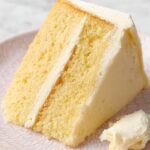
Vanilla Cake with Buttercream Frosting Recipe
- Prep Time: 10 minutes
- Cook Time: 30 minutes
- Total Time: 2 hours 10 minutes
- Yield: 12 servings
- Category: Dessert
- Method: Baking
- Cuisine: American
- Diet: Vegetarian
Description
This Soft Vanilla Cake recipe delivers a tender and moist cake with a light crumb, complemented by a creamy American-style vanilla buttercream frosting. Perfect for celebrations or a sweet treat, this cake is carefully crafted with a balance of butter, oil, and buttermilk to achieve its softness and flavor.
Ingredients
Vanilla Cake
- 2¼ cups (300 g) all purpose flour
- ¼ cup (25 g) cornstarch
- ½ tsp baking soda
- 1 tsp baking powder
- ½ tsp salt (omit if using salted butter)
- ½ cup (113 g) unsalted butter, room temperature
- ½ cup (105 g) unflavoured vegetable oil (canola oil recommended)
- 1⅔ cups (332 g) white granulated sugar
- 3 large eggs, room temperature
- 1¼ tbsp vanilla essence/extract
- 1 tsp white vinegar
- 1½ cups (337 g) buttermilk, room temperature
Vanilla Buttercream Frosting
- 1½ cups (340 g) unsalted butter, room temperature
- 3 cups (375 g) powdered sugar (icing/confectioners’ sugar)
- 1½ tsp vanilla essence/extract
- 1½ tbsp milk or heavy whipping cream
Instructions
- Preheat Oven and Prepare Tins: Preheat your oven to 165 °C (330°F) with the fan on for even baking. Grease and/or line two 8-inch cake tins using your preferred method to prevent sticking.
- Sift Dry Ingredients: In a bowl, sift together the all purpose flour, cornstarch, baking soda, baking powder, and salt. Whisk them together to combine evenly and set aside.
- Cream Butter, Oil and Sugar: In a separate large bowl, use an electric mixer to cream the butter, vegetable oil, and sugar together for 2 minutes until the mixture appears light and creamy.
- Add Eggs: Incorporate the eggs one at a time into the creamed mixture, mixing well for 10-15 seconds between each egg to ensure full incorporation.
- Add Vanilla, Vinegar, and Half Buttermilk: Mix in the vanilla essence, white vinegar, and half a cup of the buttermilk until combined. Set the mixer aside for the next steps.
- Fold Dry Ingredients and Remaining Buttermilk: Gently fold half of the dry ingredients into the wet mixture using a spatula until just combined. Then fold in the remaining 1 cup of buttermilk until just combined. Finally, fold in the remaining dry ingredients. Avoid overmixing to prevent gluten development that could toughen the cake.
- Divide Batter and Bake: Evenly distribute the batter into the prepared cake tins. Bake in the preheated oven for 30 minutes or until a toothpick inserted into the center comes out clean.
- Cool Cake Layers: Allow the cakes to cool in their tins for 15-20 minutes before transferring them to a wire rack to cool completely to room temperature before frosting.
- Prepare Vanilla Buttercream Frosting: In a stand mixer bowl, add the powdered sugar, unsalted butter, vanilla extract, and milk or cream. Begin mixing on low speed with the paddle attachment until the ingredients are just combined, about 1 minute. Increase to medium-high speed and continue mixing for 10 minutes, scraping down the bowl halfway through to achieve a smooth and fluffy consistency.
- Frost the Cake: Once the cake layers are completely cool, frost them evenly with the prepared vanilla buttercream or your preferred frosting.
Notes
- You can substitute the all purpose flour and cornstarch with 325 g cake flour for a lighter texture.
- When using a stand mixer, use the paddle attachment for initial mixing and switch to folding by hand for the final batter mixing to avoid overmixing.
- Gently folding in dry ingredients prevents overdevelopment of gluten, resulting in a softer cake texture. Mix only until flour streaks disappear.
- This American-style buttercream is sweeter but uses less icing sugar than traditional recipes. For a less sweet option, try Swiss meringue or French buttercream.
- If your oven does not have a fan function, increase the baking temperature to 175°C (347°F) to bake the cake properly.
- Homemade buttermilk substitutes may require reducing the quantity to about 1¼ cups (275 g) for best results, as store-bought buttermilk is thicker.
Nutrition
- Serving Size: 1 slice
- Calories: 350 kcal
- Sugar: 28 g
- Sodium: 180 mg
- Fat: 18 g
- Saturated Fat: 9 g
- Unsaturated Fat: 7 g
- Trans Fat: 0 g
- Carbohydrates: 42 g
- Fiber: 1 g
- Protein: 4 g
- Cholesterol: 70 mg