Turmeric Chicken Soup for Inflammation Recipe
If you’re looking to cozy up with something both comforting and good for your body, then you’re going to love this Turmeric Chicken Soup for Inflammation Recipe. It’s one of those soul-soothing bowls that combines wholesome ingredients like turmeric and fresh veggies with tender chicken, making it perfect when you want something nourishing after a long day. Trust me, once you try this soup, it’ll quickly become your go-to whenever you need a warm hug in a bowl.
Why This Recipe Works
- Anti-Inflammatory Powerhouse: Turmeric and garlic team up to reduce inflammation while boosting immunity.
- Rich, Creamy Texture: Coconut milk adds subtle creaminess without dairy, keeping the soup light but satisfying.
- Balanced Flavors: A mix of veggies, poultry seasoning, and fresh parsley gives depth and freshness to every spoonful.
- Simple, Yet Versatile: Easy enough for any weeknight but impressive enough to share with guests.

Ingredients & Why They Work
Every ingredient in this Turmeric Chicken Soup for Inflammation Recipe not only brings great flavor, but also works together to create a nourishing, healing meal. When shopping, aim for fresh veggies and quality chicken for the best results.

- Olive oil: A healthy fat that helps soften veggies and brings out their aroma without overpowering the other flavors.
- Onion: Adds natural sweetness and depth—slowly caramelizing it develops a rich base.
- Leek: Its mild onion flavor gently elevates the soup’s overall taste.
- Carrots: For sweetness and texture—they soften nicely but still hold their shape.
- Celery: Boosts the savory, aromatic foundation of the soup.
- Kosher salt: Essential for seasoning throughout to enhance all flavor layers.
- Garlic: Brings pungency and natural anti-inflammatory properties.
- Turmeric: The star anti-inflammatory spice that gives the soup its golden hue and earthy flavor.
- Poultry seasoning: Adds savory warmth that pairs perfectly with chicken.
- Chicken broth: Builds a cozy, comforting liquid base full of umami.
- Coconut milk: Gives a silky creaminess and a slight sweetness that balances turmeric’s earthiness.
- Chicken thighs or breasts: Tender protein that enriches the soup—thighs stay juicier if you want extra moisture.
- Frozen peas (optional): Tiny bursts of color and sweetness that brighten up the bowl.
- Fresh parsley: Added at the end for a fresh, herbal note and a pop of green.
- Black pepper: Highlights the turmeric and adds a little gentle heat.
Tweak to Your Taste
I love to make this Turmeric Chicken Soup for Inflammation Recipe my own by tweaking a few things depending on the season or my mood. Don’t hesitate to add your favorite veggies or switch up herbs to make it truly yours.
- Variation: I sometimes swap out frozen peas for kale or spinach for an iron boost and extra color. It’s equally delicious!
- Dairy-Free: Using coconut milk keeps this recipe fully dairy-free—great if you’re avoiding lactose.
- Spice Level: If you enjoy a little zing, add a dash of cayenne or fresh ginger alongside the turmeric.
- Make it Heartier: Stir in cooked quinoa or rice at the end for a filling, one-pot meal option.
Step-by-Step: How I Make Turmeric Chicken Soup for Inflammation Recipe
Step 1: Build Your Flavor Base
Heat olive oil over medium in your soup pot, then add diced onions, sliced leeks, carrots, celery, and a teaspoon of kosher salt. Stir occasionally and let everything soften gently for about 14-16 minutes. You’re aiming for the leeks to become tender and start caramelizing; this slow cooking amps up the natural sweetness and depth. Don’t rush this step—it really makes the soup come alive.
Step 2: Wake Up the Aromatics
Next, toss in the garlic, turmeric, and poultry seasoning. Stir frequently so nothing sticks or burns. After 2-3 minutes, your kitchen will smell amazing as the spices bloom in the warm oil. This is the key to unlocking turmeric’s earthy magic.
Step 3: Simmer with Broth and Chicken
Pour in the chicken broth and coconut milk, scraping up any caramelized bits from the bottom to capture that flavor. Nestle your chicken into the liquid ensuring it’s submerged. Bring the soup to a gentle simmer (avoid boiling hard!) and cover partially. Let it cook for 15-20 minutes until the chicken is cooked through and your veggies are tender but still vibrant. This low simmer method keeps the coconut milk from breaking.
Step 4: Shred and Finish
Take the chicken out and let it cool just enough to handle, then shred or cut it into bite-sized pieces. Return it to the pot along with frozen peas if you’re using them, and fresh parsley. Simmer gently for another 5 minutes to warm everything through and let the peas soften. At this point, taste and adjust seasoning with salt and pepper.
Step 5: Serve and Enjoy
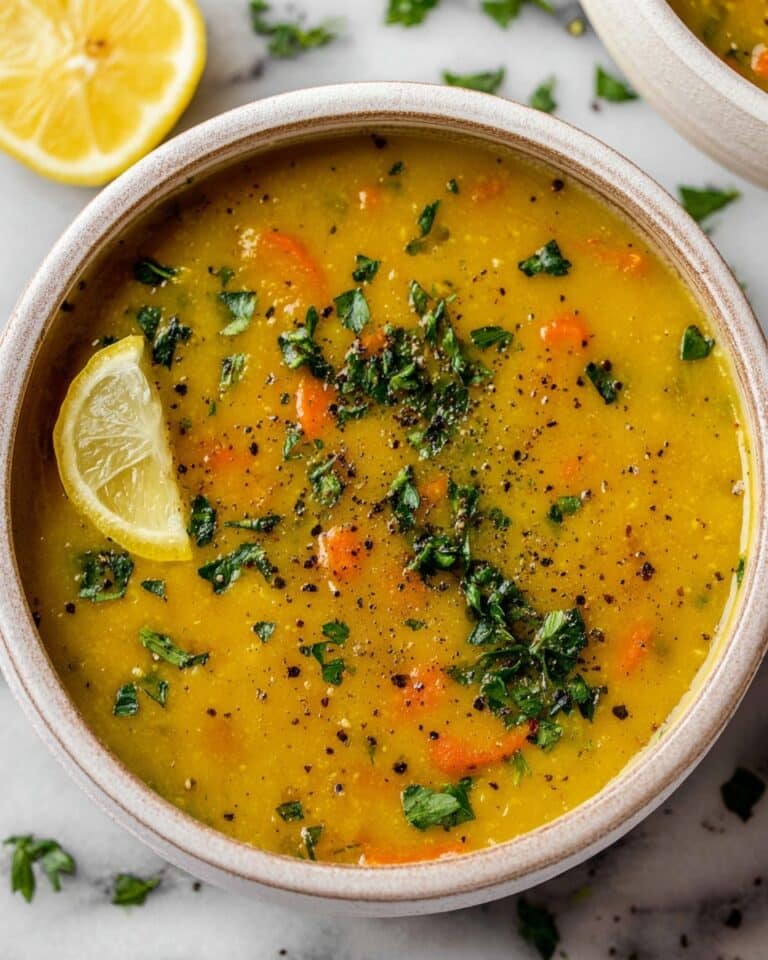
Ladle into bowls and garnish with extra fresh parsley. The soup looks as inviting as it tastes—golden, rich, and packed with wholesome goodness.
Pro Tips for Making Turmeric Chicken Soup for Inflammation Recipe
- Low & Slow Simmer: Keep the heat low after adding coconut milk to avoid curdling and maintain a creamy texture.
- Shred While Warm: Shredding chicken just after cooking makes it easier to handle and keeps the texture tender.
- Use Fresh Herbs: Adding parsley at the end freshens up the soup and balances the earthy turmeric flavor beautifully.
- Don’t Skip Peas: They add pops of sweetness and color that transform this from ordinary to special.
How to Serve Turmeric Chicken Soup for Inflammation Recipe

Garnishes
My go-to garnish is always fresh parsley—it adds that bright, herbal pop at the end. Sometimes, I like to sprinkle a little cracked black pepper or even a drizzle of extra virgin olive oil for richness. If you enjoy a bit of heat, a quick sprinkle of red pepper flakes works wonders too!
Side Dishes
A simple crusty bread or warm naan pairs perfectly with this turmeric chicken soup to soak up all the luscious broth. If you want to keep it light, a crisp green salad dressed with lemon makes a refreshing contrast.
Creative Ways to Present
For a special dinner, I like to serve the soup in charming rustic bowls topped with a small dollop of coconut yogurt and fresh cilantro for a tangy twist. Adding edible flowers or microgreens adds a lovely touch that impresses without any fuss.
Make Ahead and Storage
Storing Leftovers
Once cooled completely, I transfer the soup to airtight containers and store it in the fridge. It keeps beautifully for 5 to 6 days, making it a perfect recipe for preparing in advance when you have a busy week ahead.
Freezing
Freezing this soup works like a charm. I cool it fully, then portion it into freezer-safe containers. It stores for up to 4 months. When I’m ready, thaw it overnight in the fridge and it tastes just as fresh as when I made it.
Reheating
I reheat the soup gently on the stove over low heat to avoid breaking the coconut milk’s smooth texture. Stir occasionally until warm through. You can also use the microwave but do it in short bursts and stir between to keep the texture even.
FAQs
-
Can I use chicken breasts instead of thighs in this Turmeric Chicken Soup for Inflammation Recipe?
Absolutely! Chicken breasts work just as well and keep the soup leaner, although they can dry out more quickly. Just be sure to simmer gently and not overcook to keep the texture tender and juicy.
-
Is this soup suitable for people with dairy allergies?
Yes! Thanks to the use of coconut milk instead of cream, this recipe is naturally dairy-free and safe for those with dairy sensitivities or allergies.
-
Can I make this Turmeric Chicken Soup for Inflammation Recipe in a slow cooker?
You can! Start by sautéing the veggies and spices on the stove for maximum flavor, then transfer everything to your slow cooker with broth, coconut milk, and chicken. Cook on low for 4-5 hours or until the chicken is tender, then shred and add peas and parsley near the end.
-
Does turmeric stain cookware or clothing?
Yes, turmeric’s bright yellow color can stain porous surfaces and fabrics. To avoid this, wipe up any spills immediately and wash utensils and bowls promptly. Using glass or stainless steel cookware is best.
Final Thoughts
This Turmeric Chicken Soup for Inflammation Recipe is one of my favorite ways to nourish my body without sacrificing flavor. It’s warm, comforting, and packed with healing ingredients that make you feel as good as it tastes. I hope you’ll try making it soon—you’ll not only enjoy the delicious result but also love how simple it is to make. Whenever I need a boost or just a comforting meal, this soup never lets me down, and I think you’ll feel the same way.
Print
Turmeric Chicken Soup for Inflammation Recipe
- Prep Time: 15 minutes
- Cook Time: 45 minutes
- Total Time: 1 hour
- Yield: 7 servings
- Category: Soup
- Method: Stovetop
- Cuisine: American
- Diet: Gluten Free
Description
A comforting and nourishing anti-inflammatory turmeric chicken soup featuring tender chicken, vibrant vegetables, and a rich coconut milk broth infused with turmeric and warming spices.
Ingredients
Vegetables and Aromatics
- 1 medium onion, diced
- 1 large leek, white and light green parts only, halved lengthwise, and thinly sliced
- 3 large carrots, thinly sliced
- 3 stalks celery, thinly sliced
- 3 cloves garlic, chopped
- 1/4 cup chopped fresh parsley
Spices and Seasonings
- 1 teaspoon kosher salt, plus 1 teaspoon kosher salt, or to taste
- 1 teaspoon turmeric
- 1 teaspoon poultry seasoning
- 1/2 teaspoon black pepper
Liquids and Protein
- 1/4 cup olive oil
- 6 cups chicken broth
- 1 13.5 ounce can coconut milk
- 1 1/4 pounds boneless skinless chicken thighs or breasts
- 1 10 ounce bag frozen peas (optional)
Instructions
- Cook onions, leeks, carrots, and celery. Heat olive oil over medium heat in a large soup pot. Add the diced onions, sliced leeks, carrots, celery, and 1 teaspoon kosher salt. Sauté, stirring occasionally, until the leeks are soft and starting to caramelize, about 16 minutes.
- Add aromatics. Add the chopped garlic, turmeric, and poultry seasoning to the pot. Continue sautéing for 3 minutes, stirring frequently until the garlic and spices are fragrant.
- Add broth, coconut milk, and chicken. Pour in the chicken broth and coconut milk, then add the raw chicken pieces, scraping up any browned bits from the bottom of the pot. Bring everything to a bare simmer. Make sure the chicken is submerged beneath the liquid and partially cover the pot. Simmer gently on low heat for 20 minutes until the chicken is cooked through and vegetables are tender. Avoid boiling vigorously to prevent the coconut milk from splitting.
- Shred chicken and add remaining ingredients. Remove the lid and carefully take the chicken out to a cutting board. Allow it to cool slightly, then shred or cut the chicken into bite-sized pieces using two forks. Return the shredded chicken to the pot along with the frozen peas if using, and fresh parsley. Bring the soup back to a slow simmer and cook for 5 minutes until the peas are bright green and tender.
- Season and serve. Taste the soup and season with additional salt and black pepper to preference. Garnish with extra parsley if desired and serve hot. Enjoy your anti-inflammatory turmeric chicken soup!
Notes
- To reheat, warm the soup gently on the stovetop over low heat or in the microwave until heated through.
- Store cooled soup in an airtight container in the refrigerator for up to 5-6 days.
- Freeze cooled soup in airtight containers for up to 4 months. Thaw overnight in the refrigerator before reheating.
- Use chicken thighs for richer flavor and moist meat; chicken breasts are leaner but still work well.
- Adjust turmeric and poultry seasoning quantities to your taste preference for a milder or stronger flavor.
Nutrition
- Serving Size: 1 bowl (about 1 1/4 cups)
- Calories: 320 kcal
- Sugar: 5 g
- Sodium: 700 mg
- Fat: 18 g
- Saturated Fat: 8 g
- Unsaturated Fat: 9 g
- Trans Fat: 0 g
- Carbohydrates: 12 g
- Fiber: 3 g
- Protein: 28 g
- Cholesterol: 75 mg