Perfect Yorkshire Pudding Recipe
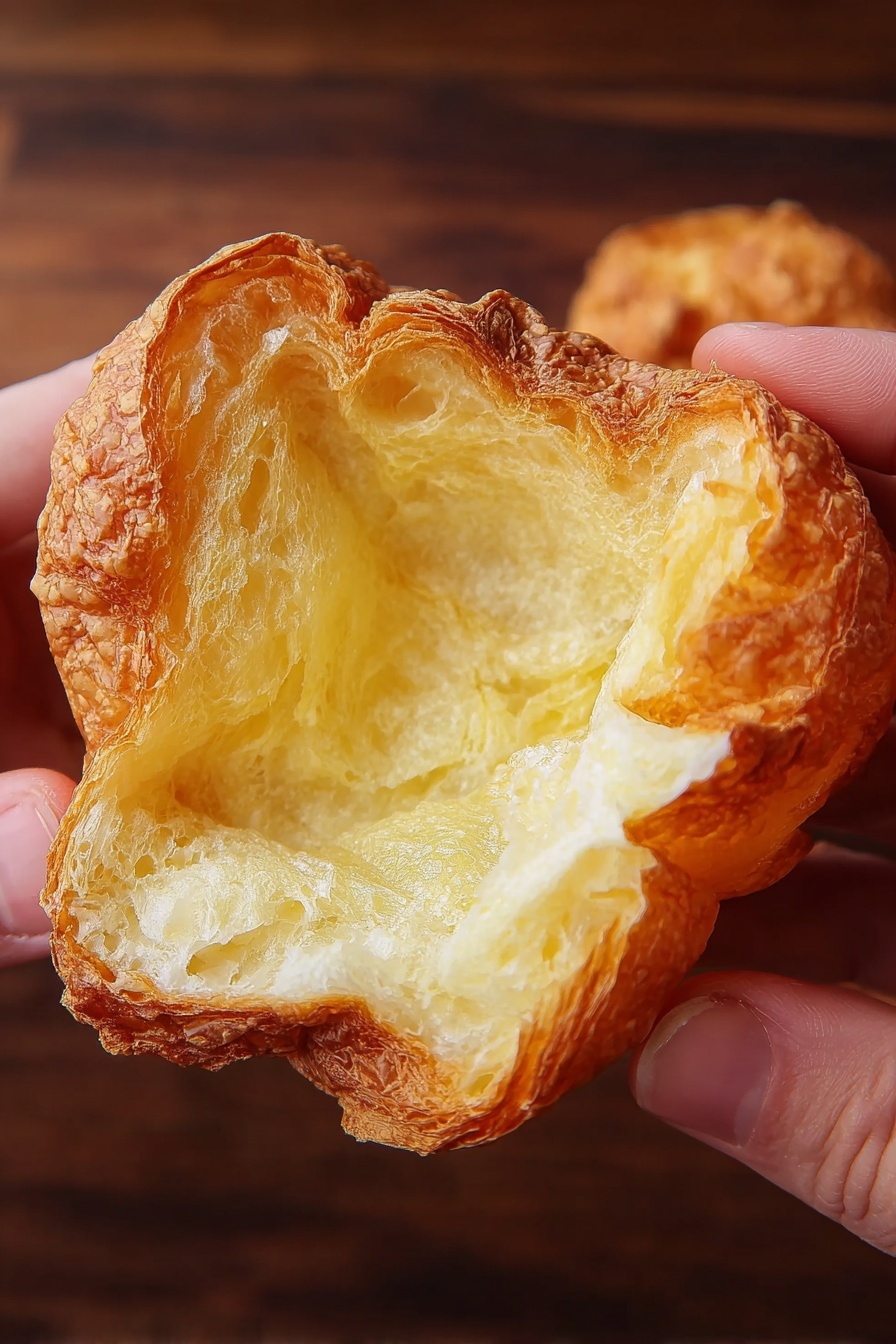
If you’re anything like me, a decent Yorkshire pudding can totally make or break your Sunday roast. Well, let me share my **Perfect Yorkshire Pudding Recipe** that I’ve fine-tuned over countless dinners and testing sessions. It’s light, super puffy, crispy on the outside, and tender inside — basically everything you want from a Yorkshire pudding. Stick around, because I’m spilling all my secrets to help you nail it every single time!
Why This Recipe Works
- Rested Batter: Allowing the batter to sit (ideally overnight) creates that perfect rise and texture.
- Smoky Hot Fat: Using beef drippings or lard, heated to smoking point, ensures crispy, golden edges every time.
- High Temperature Baking: Baking at 450°F gives the puddings that dramatic puff and beautiful color.
- Balanced Ingredients: The ratio of eggs, flour, and liquid in this recipe hits the sweet spot for fluffiness and structure.

Ingredients & Why They Work
Every ingredient plays a starring role to achieve that cloud-like lift and crispy finish. Knowing how each works together will help you understand this Perfect Yorkshire Pudding Recipe and even customize it confidently.
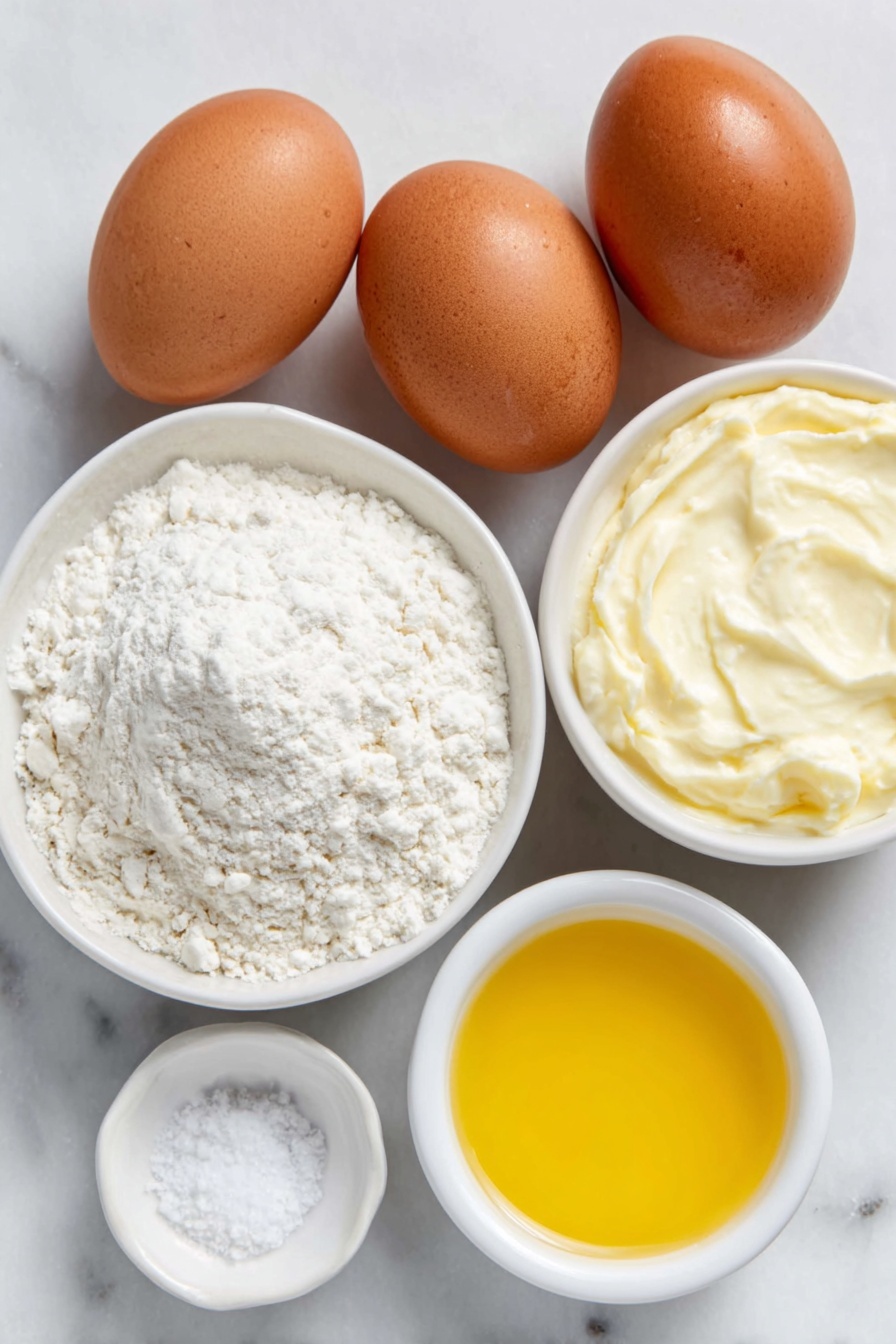
- Eggs: They provide structure and help trap air for that puffed-up effect; always use large eggs for consistency.
- All-purpose flour: It forms the base that holds the shape, while still being light enough for the pudding to expand.
- Whole milk: It adds richness and moisture; full-fat milk makes the batter tender and flavorful.
- Water: Adding a little water balances the batter’s consistency, preventing it from being too thick.
- Kosher salt: Enhances flavor subtly without overpowering.
- Beef drippings or fat: This is the secret weapon for incredible crispiness and authentic taste, though vegetable oil works well too if you prefer.
Tweak to Your Taste
I love how forgiving this Perfect Yorkshire Pudding Recipe is — you can tweak it a bit without missing a beat. For example, I sometimes add a splash of sparkling water for extra lift or swap the drippings for vegetable oil if I want a milder flavor.
- Variation: When I’m in a rush, I’ll skip the resting time and still get a pretty good rise, but the batter definitely benefits from some chill time.
- Dairy-Free: Using almond or oat milk instead of whole milk works well, though you might want to adjust the water accordingly.
- Mini Yorkshire Puddings: Try making mini versions in a 24-well muffin tin for adorable, bite-sized treats perfect for parties.
Step-by-Step: How I Make Perfect Yorkshire Pudding Recipe
Step 1: Whisk the Batter to Silky Perfection
Start by combining your eggs, flour, milk, water, and salt in a bowl. Whisk vigorously until the batter is completely smooth – no lumps here! I always use a balloon whisk because it incorporates air gently, setting the stage for the puffiness we want. Once it’s smooth, let it rest at room temperature for at least 30 minutes. Honestly, I get the best results leaving it in an airtight container overnight in the fridge. Just remember to bring it back to room temp before baking.
Step 2: Heat the Fat Until It’s Smoking Hot
While the batter rests, preheat your oven to a blistering 450°F (230°C). Then, pour your beef drippings or chosen fat evenly into your baking tin(s). You want enough to coat the base but not drown the batter—roughly 1/2 cup total. Pop the tin in the oven and wait until the fat is almost smoking. This is a game-changer—I’ve burned a batch by rushing this step before, and trust me, patience here pays off!
Step 3: Fill Your Wells and Bake Immediately
Once the fat’s hot, carefully take your pans out (watch the steam!) and fill each well between half and three-quarters full. If you’re using traditional pans, filling about a quarter of the way is right. Then, get them straight back into the oven—don’t wait, or the temperature will drop and the puddings won’t rise properly. Bake for about 15 minutes for smaller ones or closer to 25 minutes if you’ve made large popovers or skillet-sized puddings. When they’ve quadrupled in size, are deep golden brown, and sound hollow when tapped, they’re ready.
Pro Tips for Making Perfect Yorkshire Pudding Recipe
- Don’t Skip the Rest: Resting the batter gives the flour time to hydrate fully, which creates that tender interior.
- Use Beef Drippings When Possible: This adds authentic flavor and helps develop that classic crispy crust.
- Oven Rack Position Matters: Placing your rack in the center ensures even heat distribution and perfect rise.
- Resist Opening Oven Door: Opening it too soon causes the puddings to deflate—trust me, I’ve learned this the hard way!
How to Serve Perfect Yorkshire Pudding Recipe

Garnishes
I usually keep my garnishes simple but delicious—freshly chopped parsley or thyme sprinkled on top adds a lovely fresh contrast. Sometimes I drizzle a little bit of gravy over the top right before serving; it just melts perfectly into those crispy edges.
Side Dishes
This recipe pairs beautifully with classic roast beef and plenty of gravy. I also love serving it alongside roasted root vegetables and buttery mashed potatoes for that ultimate comforting Sunday dinner feeling.
Creative Ways to Present
For special occasions, I’ve tried making mini Yorkshire puddings filled with beef and horseradish cream or even stuffing them with a handful of sautéd mushrooms. They make impressive appetizers and are a hit with guests every time!
Make Ahead and Storage
Storing Leftovers
If you have leftovers (lucky you!), store them in an airtight container once completely cooled. They keep well in the fridge for up to two days, though you’ll want to reheat them properly to bring back the crispness.
Freezing
I freeze leftover Yorkshire puddings regularly and they freeze beautifully. Just cool them fully before transferring to a zip-lock freezer bag, where they’ll last up to three months. It’s fantastic to have these ready to pop into the oven for a quick side or snack.
Reheating
To reheat, I pop the puddings in a hot toaster oven or regular oven at around 400°F for 5-7 minutes until they’re heated through and crispy again on the outside. Avoid microwaving if you want to keep that desirable crunch!
FAQs
-
Can I make Yorkshire pudding batter ahead of time?
Absolutely! In fact, resting the batter overnight in the fridge improves the texture and rise significantly. Just make sure to bring it back to room temperature before baking for best results.
-
What fat is best for Yorkshire puddings?
Traditional beef drippings or lard give the best flavor and crispiness, but vegetable oil works great if you prefer a milder taste or need a vegetarian option.
-
Why didn’t my Yorkshire puddings rise?
Common reasons include not having the fat hot enough, opening the oven door during baking, or using batter that’s too cold. Keeping everything hot and steady is key to that perfect rise.
-
Can I use low-fat or skim milk in this recipe?
You can, but you’ll want to omit the water in the recipe and increase the milk amount to maintain the right consistency and tenderness.
-
How do I get Yorkshire puddings crispy?
Using plenty of hot fat and baking at a high temperature ensures that irresistible crispy exterior. Also, resist opening the oven while baking to maintain the heat.
Final Thoughts
This Perfect Yorkshire Pudding Recipe has been my go-to for years because it consistently delivers that magical combination of puffed-up, crunchy-on-the-outside, tender-on-the-inside goodness. I hope you’ll enjoy making it as much as I do—there’s just something special about the way these puddings bring everyone together at the table. Trust me, once you nail this, you’ll never want to buy pre-made puddings again!
Print
Perfect Yorkshire Pudding Recipe
- Prep Time: 5 minutes
- Cook Time: 30 minutes
- Total Time: 1 hour 5 minutes
- Yield: 8 Yorkshire puddings
- Category: Side Dish
- Method: Baking
- Cuisine: British
Description
This classic Yorkshire Pudding recipe delivers light, puffy, and golden puddings that are crisp on the outside and tender inside, perfect for serving alongside roast meats or enjoyed on their own. The batter, made from eggs, flour, milk, and water, is rested for optimal rise and baked in hot fat until beautifully puffed and browned.
Ingredients
Batter
- 4 large eggs (200 g; 7 ounces)
- 150 g all-purpose flour (5.25 ounces; about 1 cup plus 2 teaspoons)
- 175 g whole milk (6 ounces; 3/4 cup)
- 2 g kosher salt (about 1/2 teaspoon)
- 25 g water (0.85 ounces; 1 tablespoon plus 2 teaspoons)
For Cooking
- 100 ml beef drippings, lard, shortening, or vegetable oil (about 1/2 cup)
Instructions
- Prepare Batter: Combine eggs, flour, milk, water, and salt in a medium bowl and whisk until smooth. Let the batter rest at room temperature for at least 30 minutes or refrigerate overnight for best results. Remove from refrigerator before baking.
- Preheat Oven and Pans: Adjust oven rack to center and preheat oven to 450°F (230°C). Evenly divide beef drippings or chosen fat in two 8-inch cast iron or oven-safe non-stick skillets, two 6-well popover tins, one 12-well muffin tin, or one 24-well mini muffin tin. Heat in oven until fat is smoking hot, approximately 10 minutes.
- Fill Pans with Batter: Transfer hot pans to a heat-proof surface. Pour batter evenly into each well or pan; wells should be filled between half and three-quarters full, pans about one-quarter full.
- Bake Yorkshire Puddings: Immediately return pans to the oven and bake until puddings have quadrupled in volume, are deeply browned, crisp to touch, and sound hollow when tapped. Smaller puddings take about 15 minutes; larger popover or skillet sizes take about 25 minutes.
- Serve or Store: Serve immediately for best texture, or cool completely and freeze in zipper-lock bags for up to 3 months. Reheat in a hot toaster oven before serving.
Notes
- For best results, rest batter overnight; however, you may bake immediately after mixing if short on time.
- To make a full 12 popovers instead of 8 in 6-well popover pans, increase the recipe by 50%.
- If using skim or low-fat milk, omit the water and increase milk to 200 g (7 ounces; 1 cup minus 2 tablespoons).
Nutrition
- Serving Size: 1 Yorkshire pudding
- Calories: 150 kcal
- Sugar: 1 g
- Sodium: 250 mg
- Fat: 8 g
- Saturated Fat: 3 g
- Unsaturated Fat: 4 g
- Trans Fat: 0 g
- Carbohydrates: 15 g
- Fiber: 1 g
- Protein: 5 g
- Cholesterol: 90 mg