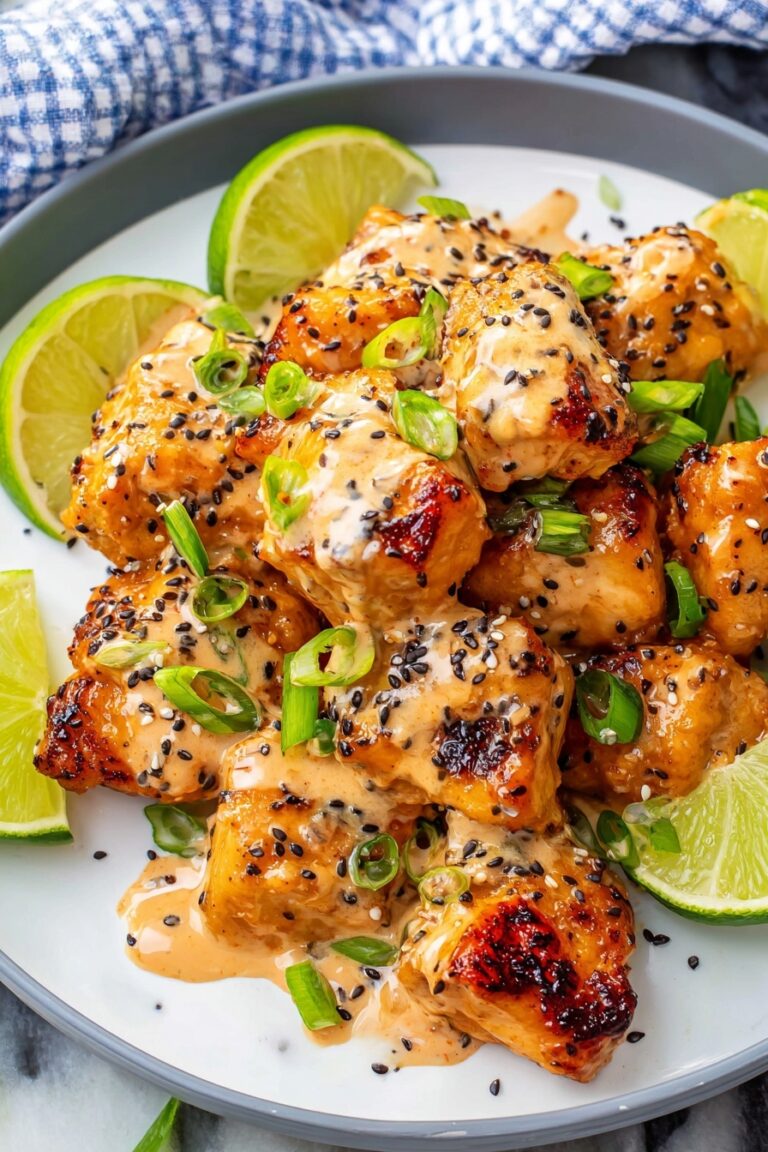
Korean Gochujang Meatballs Recipe
If you’re craving a dish that’s got that perfect balance of sweet, spicy, and savory, then you’re in for a treat with my Korean Gochujang Meatballs Recipe. These little flavor bombs are incredibly addictive and surprisingly easy to make! Whether you’re serving them at a weeknight dinner or bringing something special to a party, these meatballs will have everyone asking for seconds (and maybe even thirds).
Why This Recipe Works
- Bold Flavor Profile: The gochujang chili paste brings a smoky, spicy depth that’s perfectly balanced by sweet apricot preserves in the glaze.
- Juicy & Tender: Using panko breadcrumbs and egg keeps the meatballs light and moist rather than dense.
- Versatile Serving Options: These meatballs shine as appetizers, main dishes, or even party snacks.
- Easy Prep & Cook: A quick skillet sear locks in flavor before finishing them off in the oven for perfect doneness.

Ingredients & Why They Work
The ingredients in this Korean Gochujang Meatballs Recipe come together to create layers of flavor and texture — from the robust heat of gochujang to the fresh bite of ginger and the crunch of panko. Shopping for fresh green onions and good-quality ground beef really makes a huge difference here.

- Green onions: Adds fresh, mild onion flavor and a pop of color as garnish.
- Garlic: Builds savory depth in the meatballs.
- Egg: Binds all ingredients, keeping meatballs tender and cohesive.
- Panko breadcrumbs: Helps keep meatballs light and prevents them from being too dense.
- Gochujang (Korean chili paste): The star ingredient that delivers sweet heat and complexity.
- Fresh ginger: Brightens the flavor with a subtle zing.
- Kosher salt & white pepper: Season meatballs perfectly without overpowering the delicate flavors.
- Ground beef: Choose 80/20 for flavorful, juicy meatballs.
- Canola oil: Neutral oil perfect for pan-frying to get a nice crust without burning.
- Apricot preserves: Adds a sweet counterbalance for the glaze.
- Rice vinegar: Brings acidity and brightness to the glaze.
- Soy sauce: Deep umami that finishes the glaze beautifully.
- Toasted sesame seeds: Nutty garnish that pairs perfectly with the Korean flavors.
Tweak to Your Taste
I love giving this Korean Gochujang Meatballs Recipe my own spin depending on the occasion or who I’m feeding. Don’t be afraid to experiment a little — it’s all about finding that perfect balance that suits your palate.
- Spice level: If you’re heat shy, start with less gochujang and add more gradually; if you want extra kick, sprinkle in some crushed red pepper flakes.
- Meat swap: Try ground turkey or chicken for a leaner version, but watch the cooking time as they can dry out faster.
- Glaze variation: Swap apricot preserves for peach or pineapple jam to give it a tropical twist — I did this once for summer BBQs and it was a hit!
- Herb add-ins: Fresh cilantro or Thai basil stirred into the meat mixture adds a fresh, aromatic note.
Step-by-Step: How I Make Korean Gochujang Meatballs Recipe
Step 1: Mix all the flavors together
I start by combining the thinly sliced green onions, minced garlic, beaten egg, panko breadcrumbs, gochujang, fresh ginger, kosher salt, and white pepper in a big bowl. Then I add the ground beef — it really helps to mix with your hands so you can gently fold everything without overworking the meat. Overmixing makes meatballs tough, and nobody wants that chewy bite!
Step 2: Form and brown the meatballs
Once the mixture’s ready, I carefully shape it into golf ball-sized meatballs — not too big or they’ll take forever to cook through. Heating the canola oil in a large skillet over medium-high heat, I brown the meatballs in batches, turning them often to get a lovely caramelized crust on all sides. This step locks in flavor, so don’t skip it!
Step 3: Finish in the oven
After browning, I transfer the meatballs onto a rimmed baking pan and pop them into a 350°F oven for about 10 minutes. This gentle finish ensures they’re cooked through without drying out. I always check for an internal temperature of 160°F to be safe.
Step 4: Whip up the glaze
While the meatballs are baking, I whisk together the apricot preserves, extra gochujang, rice vinegar, and soy sauce in a small saucepan. Cooking it over medium heat for about 5 minutes thickens the glaze into a glossy, sticky sauce that clings perfectly to each meatball.
Step 5: Glaze and garnish
Right before serving, I generously brush the warm meatballs with the glaze and sprinkle sliced green onions and toasted sesame seeds on top. It’s those little garnishes that really elevate the dish and add texture and freshness.
Pro Tips for Making Korean Gochujang Meatballs Recipe
- Don’t Overmix the Meat: Mixing the ingredients gently keeps the meatballs juicy and tender, so no kneading like bread dough here!
- Brown in Batches: Give your pan space between meatballs to get a nice crust; overcrowding results in steaming, not browning.
- Glaze Warmed Just Right: Let the glaze cool slightly before brushing to avoid it sliding off the meatballs.
- Prep Ahead: You can mix the meatball batter a few hours ahead and keep it refrigerated — it actually helps the flavors meld together.
How to Serve Korean Gochujang Meatballs Recipe

Garnishes
I always top these meatballs with extra thinly sliced green onions and a sprinkle of toasted sesame seeds. The onion adds freshness and crunch, and the sesame seeds bring a lovely nutty aroma — simple but essential in my book.
Side Dishes
My go-to sides with these meatballs are steamed jasmine rice or sticky rice noodles tossed with sesame oil and scallions. A crisp cucumber salad or quick kimchi on the side balances the richness of the meatballs perfectly.
Creative Ways to Present
For parties, I’ve served these Korean Gochujang Meatballs Recipe on skewers with alternating pineapple chunks for a fun sweet-savory bite. Another time, I set them on lettuce cups with a drizzle of the glaze and a sprinkle of crushed peanuts — super fun finger food!
Make Ahead and Storage
Storing Leftovers
After cooling completely, I store leftover meatballs in an airtight container in the fridge for up to 3 days. They keep surprisingly well and maintain their flavor without drying out.
Freezing
I like to freeze leftover Korean Gochujang Meatballs Recipe in a single layer on baking sheets first, then transfer to freezer bags. This way, they don’t stick together and can be reheated individually or in small batches. They last up to 3 months frozen.
Reheating
To bring them back to life, I reheat leftover meatballs gently in a covered skillet over medium-low heat with a splash of water to keep them moist. You can also warm them in the microwave, but watch for overcooking. Brushing with a little extra glaze right before serving makes them taste freshly made.
FAQs
-
Can I make Korean Gochujang Meatballs recipe gluten-free?
Yes! Swap the panko breadcrumbs for gluten-free breadcrumbs or crushed rice crackers, and ensure your soy sauce is gluten-free (tamari works great). This keeps your meatballs safe for gluten sensitivities without losing texture.
-
How spicy are these meatballs?
The heat level is moderate thanks to the sweet and mild nature of gochujang, which has a unique fermented chili flavor. You can easily adjust the spice by reducing or adding more gochujang to the mix or glaze to suit your heat tolerance.
-
Can I bake the meatballs without pan-frying?
Technically yes, but pan-frying gives them a beautiful crust and extra flavor that bake-only methods lack. If you want to skip frying, bake at a higher temperature (around 400°F) for 20-25 minutes and turn halfway through, but expect a different texture.
-
Can I use ground pork or a mix of meats?
Absolutely! Ground pork or a blend of beef and pork works wonderfully and adds richness. Just be sure to cook until the internal temperature reaches 160°F to ensure safety.
-
What can I serve instead of rice?
If you want to skip rice, try serving the meatballs with stir-fried vegetables, lettuce wraps, or even creamy mashed potatoes for a fusion twist.
Final Thoughts
This Korean Gochujang Meatballs Recipe is one of those dishes I turn to when I want something bold, comforting, and easy to whip up but that still feels special. From the first bite to the last, the flavor combination is so satisfying and distinct — I honestly can’t get enough. I hope you enjoy making and sharing these meatballs as much as I do; trust me, your friends and family will thank you!
Print
Korean Gochujang Meatballs Recipe
- Prep Time: 25 minutes
- Cook Time: 30 minutes
- Total Time: 55 minutes
- Yield: 4 servings
- Category: Appetizer
- Method: Frying
- Cuisine: Korean
Description
These Korean Style Meatballs feature a flavorful blend of ground beef, Korean chili paste, and aromatic seasonings, pan-seared to a golden brown and finished in the oven. They are coated with a sweet and spicy apricot-gochujang glaze and garnished with sliced green onions and toasted sesame seeds for a delicious appetizer or main dish perfect for sharing.
Ingredients
For the Meatballs:
- 3 green onions very thinly sliced
- 2 garlic cloves minced
- 1 egg lightly beaten
- ½ cup panko breadcrumbs
- 2 tablespoons gochujang Korean chili paste
- 1 tablespoon minced fresh ginger
- 1 teaspoon kosher salt
- ½ teaspoon ground white pepper
- 1 pound ground beef
- 2 tablespoons canola oil for pan-frying
For the Glaze:
- ⅓ cup apricot preserves
- 2 tablespoons gochujang Korean chili paste
- 1 ½ tablespoons rice vinegar
- 1 tablespoon soy sauce
For the Garnish:
- Sliced green onion
- Toasted sesame seeds
Instructions
- Make the meatball mixture: In a large bowl, combine the sliced green onions, minced garlic, beaten egg, panko breadcrumbs, gochujang, minced fresh ginger, kosher salt, and ground white pepper. Add the ground beef and gently mix with your hands or a spoon until just combined, being careful not to overmix to keep the meatballs tender.
- Preheat oven and form meatballs: Preheat your oven to 350 degrees Fahrenheit. Using your hands or a scoop, shape the mixture into golf ball-sized meatballs and set aside.
- Brown the meatballs: Heat canola oil in a large skillet over medium-high heat. Working in batches to avoid overcrowding, add the meatballs to the skillet and cook for 3 to 4 minutes, turning occasionally until browned on all sides.
- Bake the meatballs: Transfer the browned meatballs to a rimmed baking pan and place in the preheated oven. Bake for 10 minutes or until the internal temperature reaches 160 degrees Fahrenheit, ensuring they are fully cooked through.
- Prepare the glaze: While the meatballs bake, whisk together apricot preserves, gochujang, rice vinegar, and soy sauce in a small saucepan. Cook over medium heat for about 5 minutes, stirring frequently until the mixture thickens slightly.
- Glaze and garnish: Once the meatballs are done baking, brush them generously with the prepared glaze. Sprinkle with sliced green onions and toasted sesame seeds before serving to add freshness and a nutty crunch.
Notes
- For a gluten-free version, substitute the panko breadcrumbs with gluten-free breadcrumbs.
- You can make the meatballs ahead of time and freeze them before cooking for easy meal prep.
- If you prefer less heat, reduce the amount of gochujang in the meatballs and glaze.
- Use a meat thermometer to ensure meatballs reach the safe internal temperature of 160°F.
- If apricot preserves are unavailable, peach or orange marmalade can be used as a substitute in the glaze.
Nutrition
- Serving Size: 1 serving
- Calories: 320 kcal
- Sugar: 10 g
- Sodium: 600 mg
- Fat: 18 g
- Saturated Fat: 6 g
- Unsaturated Fat: 10 g
- Trans Fat: 0 g
- Carbohydrates: 20 g
- Fiber: 1 g
- Protein: 22 g
- Cholesterol: 80 mg