Best Korean Beef Bowl Recipe
If you’re craving something bursting with flavor but super easy to pull together, you’ve got to try this Best Korean Beef Bowl Recipe. Seriously, it’s become one of my go-to weeknight dinners because it’s quick, satisfying, and smells absolutely amazing while it cooks. Plus, I love how versatile it is—you can pair it with rice, quinoa, or even cauliflower rice if you’re looking to keep things light. Stick around and I’ll walk you through exactly how I make it perfectly every time.
Why This Recipe Works
- Flavor Balance: The sweet honey and tangy rice vinegar perfectly complement the savory soy and spicy red pepper flakes, giving you that authentic Korean-inspired flavor.
- Simplicity Meets Speed: Using lean ground beef means quick cooking, and everything comes together in about 20 minutes – perfect for busy nights.
- Texture Play: Crunchy pickled carrots and fresh cucumbers add a refreshing contrast to the tender, flavorful beef.
- Customizable Components: From rice to sides to heat level, you can easily make this dish your own without losing its essence.

Ingredients & Why They Work
Getting the right ingredients is key to nailing the Best Korean Beef Bowl Recipe. Each one pulls its weight, whether it’s adding depth, freshness, or that signature zing. Here’s why I love these particular choices and a couple of shopping tips to make sure your dish shines.

- Lean ground beef: I use 93% lean because it browns quickly without excess grease, giving a perfect texture and flavor without being too fatty.
- Soy sauce (low sodium): Balances the saltiness so it doesn’t overwhelm the dish, allowing the honey and vinegar to shine too.
- Scallions: Using both white and green parts adds sweet and sharp onion flavor; fresh and aromatic.
- Fresh garlic: Adds that essential zing and warmth to the beef – freshly minced is best for maximum flavor.
- Rice vinegar: Brings a bright acidity that lifts the whole bowl and is great for quick pickling veggies.
- Honey: Adds sweetness that balances the salty and spicy components.
- Fresh ginger: Gives a subtle spicy freshness that pairs perfectly with garlic and soy.
- Red pepper flakes: Optional but highly recommended – they add just enough heat to keep things interesting without overpowering.
- Sesame oil: A drizzle at the end rounds out the flavor and adds that nutty Korean touch.
- Brown rice, quinoa, or cauliflower rice: A base that can suit your preference or dietary needs.
- Shredded carrots and cucumbers: Fresh or lightly pickled for a crisp, refreshing bite that cuts through the richness.
- Toasted sesame seeds: For a little crunch and extra nuttiness on top.
Tweak to Your Taste
I love that this Best Korean Beef Bowl Recipe is flexible—you can easily tweak it based on what’s in your kitchen or your personal preferences. Whenever I make it, I like turning up the heat a bit or swapping out veggies depending on the season.
- Make it spicier: Adding gochujang (Korean chili paste) gives the bowl a deeper, richer heat—trust me, I did this once and it took the flavor to another level.
- Go vegetarian: Swap ground beef for crumbled tofu or tempeh and cook with the sauce—it still tastes fantastic and keeps things fresh.
- Seasonal veggies: Try pickling radishes or add sautéed mushrooms for a twist when carrots or cucumbers aren’t at their peak.
- Adjust sweetness: If you’re not into sweet dishes, cut the honey in half or substitute with a touch of maple syrup for a different kind of sweetness.
Step-by-Step: How I Make Best Korean Beef Bowl Recipe
Step 1: Prep Veggies and Quick Pickle
First, grab your carrots and cucumbers and shred or thinly slice them. I like to pickle them lightly—it really brings a fresh, tangy crunch that balances the richness of the beef. Just toss them in a bowl with rice vinegar, a bit of water, sugar, and salt and let them sit while you cook the beef. Easy, and it smells so good!
Step 2: Brown the Ground Beef with Scallions
Heat a large skillet over medium-high heat, then add your ground beef. I usually break it up with a wooden spoon to get nice small crumbles. When it’s halfway cooked (around 3 minutes), stir in a tablespoon of soy sauce and two-thirds of the minced scallions. This infuses the meat with flavor right from the start. Keep cooking until the beef is fully browned—around 5 minutes total.
Step 3: Add Garlic and Sauce Mixture
Once the beef is browned, mix in the garlic and cook for just 30 seconds—you don’t want it to burn. Meanwhile, whisk together your rice vinegar, honey, ginger, red pepper flakes, and the rest of your soy sauce. Pour that magic mixture over the beef, stir well, and cook for another two minutes so all those flavors meld beautifully.
Step 4: Finish with Sesame Oil and Garnish
Remove the pan from heat and drizzle in your sesame oil. I always taste at this point and add a little more soy sauce or red pepper flakes if needed. Finally, sprinkle the remaining scallions over the top for freshness and a pop of color. Your beef mixture is ready to serve!
Step 5: Assemble Your Best Korean Beef Bowl
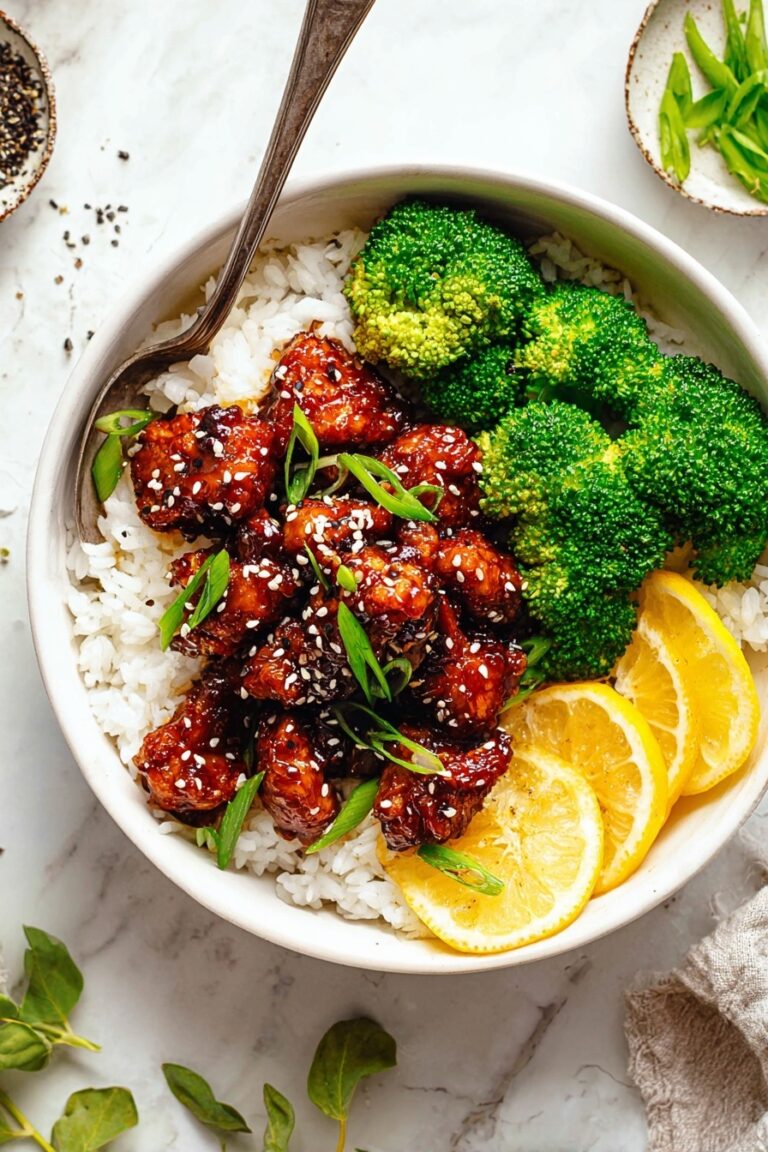
Spoon the hot beef over your choice of cooked brown rice, quinoa, or cauliflower rice. Top generously with the pickled carrots and cucumbers, then finish with a sprinkle of toasted sesame seeds. I promise you’ll love that mix of warm, savory beef with crisp, tangy veggies.
Pro Tips for Making Best Korean Beef Bowl Recipe
- Don’t Overcrowd the Pan: Browning the beef in batches if needed ensures it gets nice and caramelized instead of steaming.
- Fresh is Best: Fresh ginger and garlic make a noticeable difference compared to powders or pre-minced versions.
- Quick Pickle Timing: While the beef cooks, prep and pickle your veggies so everything comes together perfectly warm and crisp.
- Taste as You Go: Adjust seasoning near the end to your preference – every soy sauce brand is different, so your bowl should suit your palate.
How to Serve Best Korean Beef Bowl Recipe

Garnishes
I always top my bowls with plenty of toasted sesame seeds—they add this lovely nutty crunch that makes each bite special. Sometimes I like to add a sprinkle of crushed seaweed snacks for that extra Korean flair and a handful of fresh cilantro when I’m feeling fancy.
Side Dishes
This beef bowl is a meal on its own but pairs beautifully with a side of kimchi for some fermented punch and steamed edamame for extra protein. If you want to keep it simple, a crisp cucumber salad dressed with sesame oil and rice vinegar complements the flavors nicely.
Creative Ways to Present
For a dinner party, I like to serve the beef in mini bowls with an array of colorful banchan (Korean side dishes) lined up so guests can customize their bowls. Or try serving it inside lettuce cups for a fresh, hand-held twist that’s always a crowd-pleaser.
Make Ahead and Storage
Storing Leftovers
I keep leftovers in airtight containers in the fridge for up to four days. I find that storing the beef separate from the pickled veggies holds the best texture, so I add them fresh when reheating.
Freezing
This recipe freezes well—just store the cooked beef mixture by itself in a freezer-safe container for up to three months. When ready, thaw overnight in the fridge before reheating and adding fresh veggies.
Reheating
I rewarm leftovers gently in a skillet over medium-low heat to keep the beef tender. Microwave works too, but be sure to cover your dish to keep moisture in. Then add your pickled veggies right before serving to keep their crispness.
FAQs
-
Can I use other types of meat for this Korean beef bowl?
Absolutely! While ground beef is traditional and quick, ground turkey, chicken, or even thinly sliced flank steak work well. Just adjust cooking times accordingly and keep the seasoning the same to maintain that signature flavor.
-
Is it okay to skip pickling the vegetables?
You can skip pickling if you’re short on time, but I highly recommend it for that tangy crunch which balances the savory beef perfectly. If you do skip, use fresh shredded carrots and sliced cucumbers to keep some texture contrast.
-
What can I serve this Korean beef bowl with for a complete meal?
Pair it with steamed or pickled veggies, kimchi, and maybe some simple miso soup. Adding a leafy green side salad with an Asian-style dressing also makes a delicious, balanced meal.
-
How spicy is the Best Korean Beef Bowl Recipe?
It has a gentle kick from red pepper flakes that you can easily adjust up or down depending on your heat preference. You can leave them out entirely for a mild version or add more for extra spice.
Final Thoughts
This Best Korean Beef Bowl Recipe is one of those dishes I keep coming back to because it’s approachable but feels special every time. The combination of sweet, salty, and spicy flavors with fresh veggies keeps me excited to make it again and again. Give it a try—you’ll have dinner on the table in no time, and I’m confident it’ll become a favorite in your house too.
Print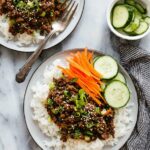
Best Korean Beef Bowl Recipe
- Prep Time: 10 minutes
- Cook Time: 10 minutes
- Total Time: 20 minutes
- Yield: 4 servings
- Category: Main Course
- Method: Stovetop
- Cuisine: Korean
- Diet: Low Lactose
Description
This Korean Beef Bowl offers a flavorful and quick-to-make meal featuring lean ground beef cooked with soy sauce, fresh ginger, garlic, and red pepper flakes, served over your choice of brown rice, quinoa, or cauliflower rice. Topped with pickled shredded carrots, thinly sliced cucumbers, and toasted sesame seeds, this dish combines savory, sweet, and spicy notes with refreshing crunchy textures for a balanced and satisfying bowl.
Ingredients
For the Beef:
- 1 pound lean ground beef (93% lean)
- 3 tablespoons low sodium soy sauce, divided
- 1 1/4 cups minced scallions (both green and white parts), divided
- 1 tablespoon minced garlic (about 3 cloves)
- 2 tablespoons rice vinegar
- 2 tablespoons honey
- 2 tablespoons minced or finely grated fresh ginger
- 1/4 teaspoon red pepper flakes, plus additional to taste
- 1 tablespoon sesame oil, plus additional to taste
For Serving:
- Cooked brown rice, quinoa, or cauliflower rice
- 1 1/2 cups shredded carrots (see notes for pickling option)
- Thinly sliced seedless cucumbers (Persian-style or English/hot house)
- Toasted sesame seeds
Instructions
- Pickle the Vegetables: If desired, place shredded carrots and sliced cucumbers in a medium bowl. Add 2 tablespoons rice vinegar, 2 tablespoons water, ½ teaspoon sugar, and ½ teaspoon kosher salt to coat. Let them marinate and gently pickle while preparing the other ingredients. Drain before serving.
- Cook the Beef: In a large skillet over medium-high heat, brown the ground beef, breaking it into small pieces, until about halfway cooked, around 3 minutes. Add 1 tablespoon soy sauce and 2/3 of the minced scallions. Continue cooking until beef is fully browned and cooked through, about 2 more minutes.
- Add Garlic and Flavorings: Stir in the minced garlic and cook for 30 seconds to release its aroma.
- Prepare Sauce: In a small bowl, mix rice vinegar, honey, minced ginger, red pepper flakes, and remaining soy sauce until combined.
- Combine Sauce and Beef: Pour the sauce over the browned beef in the skillet. Stir well and cook for 2 minutes to meld the flavors together.
- Finish with Sesame Oil and Scallions: Remove skillet from heat, stir in sesame oil, and sprinkle the remaining scallions over the top. Adjust seasoning by adding additional soy sauce or red pepper flakes to taste.
- Assemble the Bowl: Serve the hot beef mixture over cooked rice, quinoa, or cauliflower rice. Top generously with pickled carrots, sliced cucumbers, and toasted sesame seeds.
Notes
- To pickle carrots and cucumbers, marinate them in rice vinegar, water, sugar, and kosher salt for at least 10 minutes to add a refreshing tang to the dish.
- Leftovers can be stored in an airtight container in the refrigerator for up to 4 days.
- Reheat leftovers gently in a skillet over medium-low heat or in the microwave until warmed through.
- For longer storage, freeze the beef mixture and pickled vegetables separately in airtight containers for up to 3 months. Thaw overnight in the refrigerator before reheating.
- Use lean ground beef to keep the dish lower in fat while maintaining flavor and texture.
- Adjust the amount of red pepper flakes to control the heat level based on preference.
Nutrition
- Serving Size: 1 bowl
- Calories: 350 kcal
- Sugar: 9 g
- Sodium: 550 mg
- Fat: 15 g
- Saturated Fat: 5 g
- Unsaturated Fat: 9 g
- Trans Fat: 0 g
- Carbohydrates: 30 g
- Fiber: 4 g
- Protein: 25 g
- Cholesterol: 70 mg