Authentic Italian Zabaglione Recipe
If you love classic Italian desserts that taste like a warm hug, you’re in for a treat with this Authentic Italian Zabaglione Recipe. It’s this dreamy, silky custard made with just a handful of simple ingredients — eggs, sugar, and Marsala wine — but it turns out absolutely luxurious every single time. I remember the first time I made zabaglione; the rich aroma of wine melding with those sweet yolks made my kitchen smell like a little Italian trattoria. Stick with me, and I’ll walk you through how to make it effortlessly, plus share tips that’ll help you nail this elegant dessert like a pro.
Why This Recipe Works
- Simple Ingredients, Big Flavor: Just four main components combine for a dessert that’s both rich and delicate.
- Gentle Bain-Marie Cooking: Cooking over simmering water keeps the eggs silky without scrambling.
- Versatility: Enjoy it warm as a custard or chilled with whipped cream folded in for a mousse.
- Authentic Italian Touch: Using Marsala wine and traditional techniques gives you a dessert that’s truly classic.

Ingredients & Why They Work
The magic of this Authentic Italian Zabaglione Recipe lies in its simple and fresh ingredients. Each ingredient plays a crucial role, from bringing sweetness and richness to adding depth of flavor or a bit of acidity to balance the custard’s lushness. When shopping, I recommend choosing fresh, high-quality egg yolks and a good bottle of Marsala or your wine of choice—it really makes a difference.
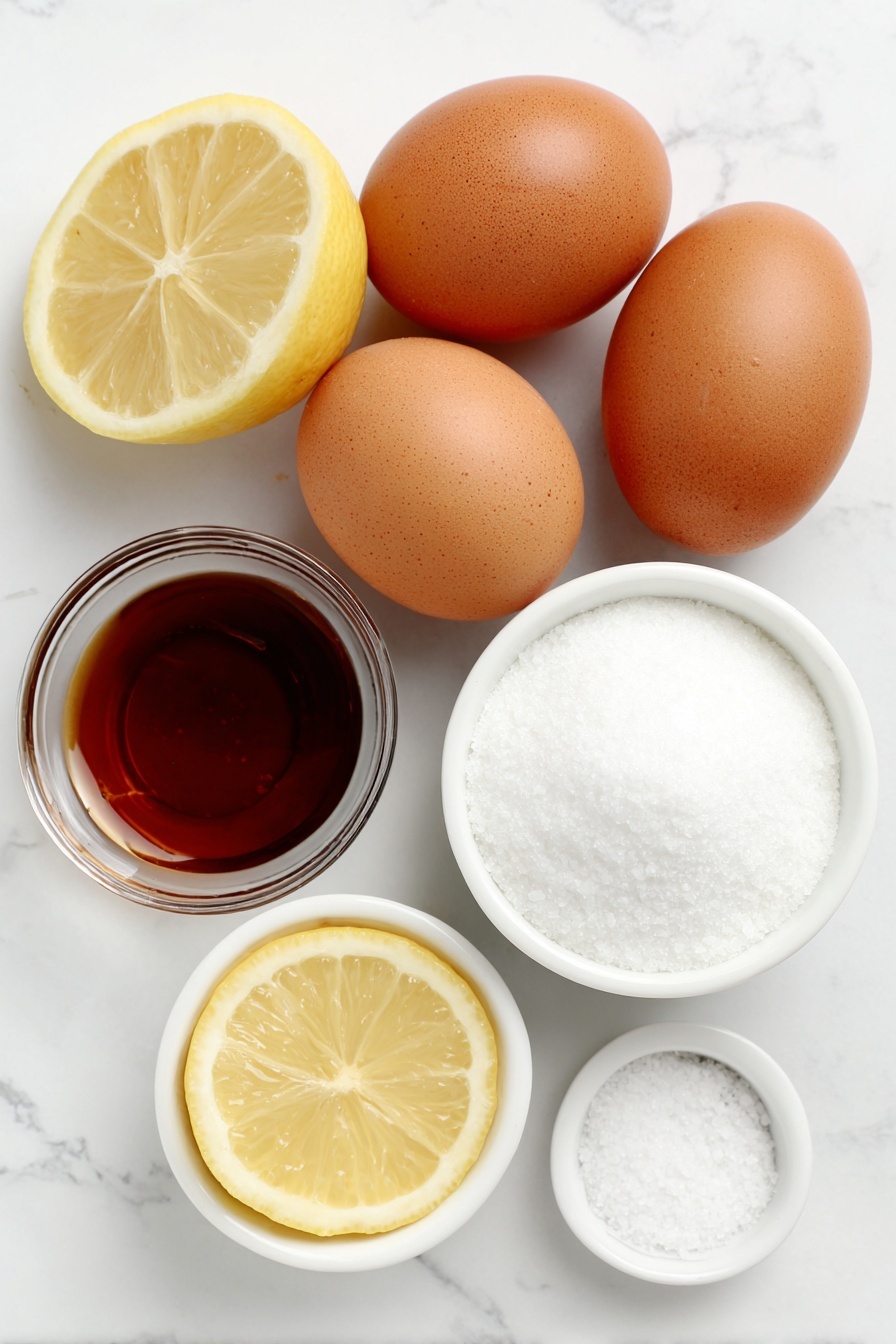
- Egg yolks: They’re the base of this custard, providing richness and the smooth texture that makes zabaglione so luxurious.
- Granulated sugar: Adds sweetness that balances the wine’s sharpness and elevates the yolks’ flavor.
- Marsala wine: Classic choice for zabaglione; it’s fragrant, slightly sweet, and lends an authentic Italian taste. You can also swap with Vin Santo or Moscato d’Asti for different flavor notes.
- Pinch of salt: Enhances all the flavors by rounding out the sweetness.
- Fresh lemon juice (optional): Adds a subtle zing that brightens the custard, perfect if you find the Marsala too sweet or want a fresher finish.
Tweak to Your Taste
One of the things I truly love about this Authentic Italian Zabaglione Recipe is how easy it is to customize. Whether you like it sweeter, lighter, or want a boozy kick, there’s room to make it yours. I’ve found that personalizing it makes the dessert feel special and more fun to share with friends or family.
- Wine variations: I’ve experimented with Moscato d’Asti for a brighter, floral touch and loved the lighter feel it gives. If you prefer something deeper, Vin Santo adds a lovely caramel note.
- Adding whipped cream: Folding in some softly whipped cream creates a mousse-like dessert that’s lighter and perfect for warm days.
- Lemon juice: I use just a splash when I want to cut through the richness, especially if serving with sweet berries.
- Sweetness level: Feel free to reduce or increase sugar slightly, depending on how sweet your wine is and your personal preference.
Step-by-Step: How I Make Authentic Italian Zabaglione Recipe
Step 1: Set Up Your Bain-Marie
Start by filling a medium saucepan with about 2 inches of water and bring it to a gentle simmer—not a full boil, since that can overheat your custard. Then, place a heatproof glass or copper bowl over the pan, making sure the bottom doesn’t touch the water to prevent direct heat. This indirect cooking method lets you whisk your zabaglione slowly and steadily without lucking out scrambled eggs.
Step 2: Whisk Yolks and Sugar Off Heat
Remove the bowl from heat temporarily and whisk together your egg yolks and sugar until the mixture becomes pale and thick—this usually takes about two minutes. This step is crucial because it helps dissolve the sugar and aerate the yolks for a light, airy custard texture.
Step 3: Add Wine and Seasoning
Next, slowly whisk in the Marsala wine, a pinch of salt, and if you’re using it, the fresh lemon juice. I like to add the wine gradually so it blends smoothly without deflating what you’ve already whisked.
Step 4: Cook the Zabaglione Gently, Whisking Constantly
Place the bowl back over your simmering water and whisk without stopping for 7 to 10 minutes. This is the key step where the magic happens: the mixture will triple in volume and thicken into a custard that holds soft peaks. Watch for the “8-second test”—if a trail left by your spoon holds for about 8 seconds, it’s perfectly cooked. Don’t stop whisking or walk away, or you risk curdling your custard.
Step 5: Serve Warm or Turn Into a Mousse
Traditionally, you serve zabaglione straight away, spooned hot over fresh berries, panettone, or crunchy cookies (hello, perfect pairing!). But if you want to make it extra special, let it cool slightly and fold in whipped cream for a luscious mousse that you can chill and serve later.
Pro Tips for Making Authentic Italian Zabaglione Recipe
- Use a Copper Bowl If You Can: Copper reacts with egg yolks to create a more stable foam, giving you that perfect airy texture.
- Constant Whisking is Critical: Don’t take your eyes off it—zabaglione can curdle if you stop whisking over heat.
- Test Readiness with the Spoon Trick: If the custard’s trail on a spoon holds for 8 seconds before blending back in, you’ve nailed it.
- Avoid Boiling Water: Just simmer, not boil, your water bath. Too hot and you’ll scramble those eggs!
How to Serve Authentic Italian Zabaglione Recipe
Garnishes
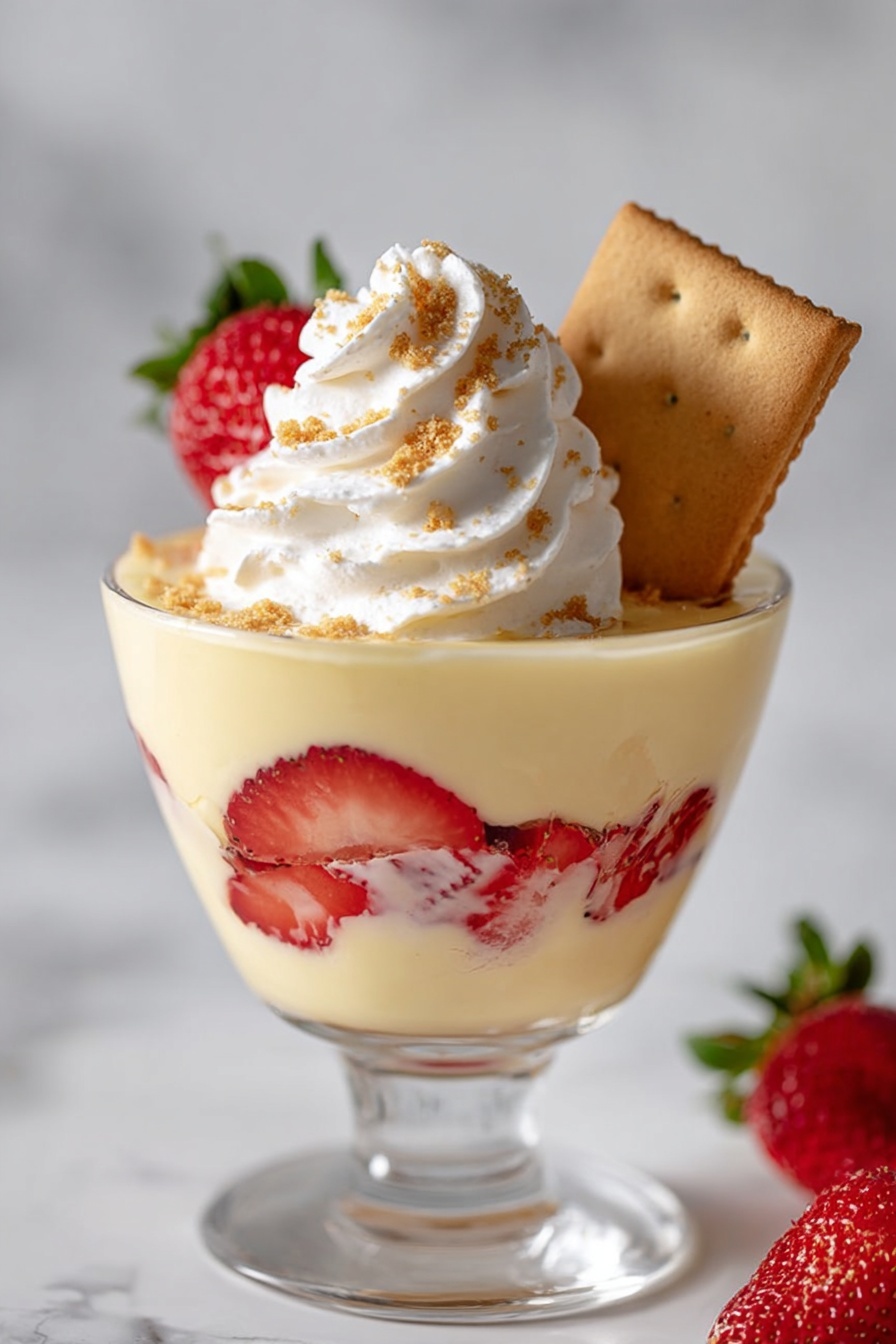
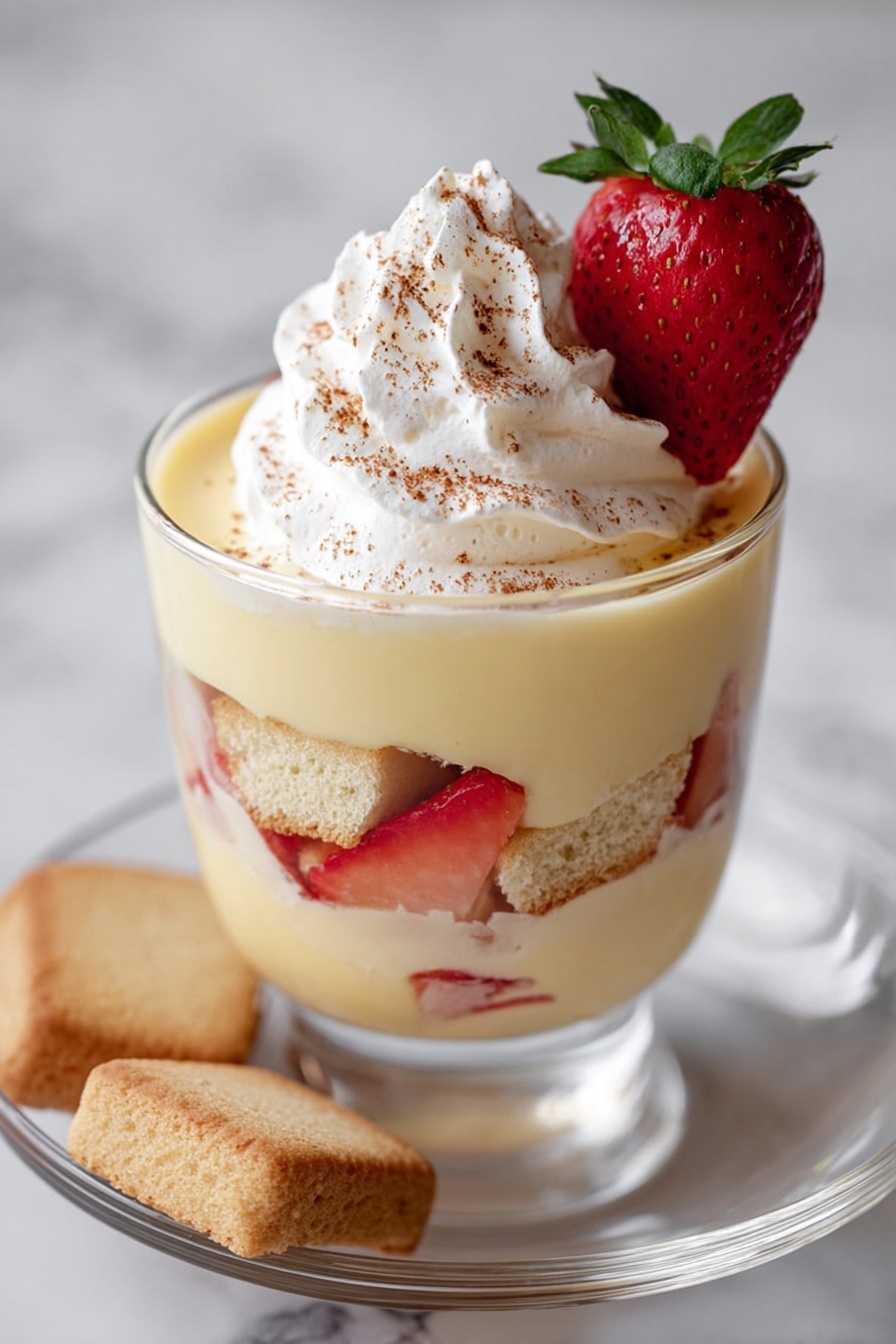
I usually garnish my zabaglione with fresh seasonal berries like raspberries or strawberries—something bright and a little tart to balance out the custard’s sweetness. A light dusting of powdered sugar or a sprig of fresh mint also adds a pretty touch that makes it look as good as it tastes.
Side Dishes
Zabaglione pairs beautifully with rich, soft panettone, biscotti for crunch, or even simple roasted stone fruits. I love serving it as a finale after a festive Italian meal—it feels like a graceful, silky finale that everyone savors.
Creative Ways to Present
For special occasions, I’ve served zabaglione in elegant glass coupes topped with edible flowers or a dusting of cocoa powder. Another favorite trick is to pipe it over fresh fruit in individual glasses, layering with whipped cream or chopped nuts for a fancy layered dessert that wows guests every time.
Make Ahead and Storage
Storing Leftovers
Zabaglione is best enjoyed fresh, but if you have leftovers, store them in an airtight container in the fridge for up to one day. The texture will thicken and lose some of its airiness, but you can revive it somewhat.
Freezing
Freezing zabaglione isn’t ideal, as the custard tends to separate and lose its delicate texture. If you want to make a frozen treat, try folding the zabaglione into a whipped cream base first to create an semifreddo-style dessert that freezes beautifully.
Reheating
If your zabaglione has thickened in the fridge, gently rewarm it in a heatproof bowl over simmering water while whisking constantly to bring it back to its silky glory. Just be sure not to overheat or it might curdle.
FAQs
-
What wine is best for an Authentic Italian Zabaglione Recipe?
Marsala wine is the classic choice since it brings sweetness and depth, but you can also try Vin Santo for a nutty richness or Moscato d’Asti for a lighter, floral profile. Choose based on your flavor preference and availability.
-
Can I make zabaglione without alcohol?
Technically yes, but the wine adds essential flavor and complexity. If you want to skip alcohol, try substituting with non-alcoholic dessert wine or a mixture of grape juice with a splash of lemon juice to balance sweetness.
-
How can I tell when zabaglione is done?
The custard should triple in volume, become thick and foamy, and hold soft peaks. Use the spoon test: if a trail left by the spoon holds for about 8 seconds before blending back in, your zabaglione is ready.
-
Is a copper bowl necessary for making zabaglione?
While not absolutely required, a copper bowl reacts with the egg yolks and helps create a more stable, airy custard. If you don’t have copper, use a heatproof glass or stainless steel bowl, just be more vigilant about constant whisking.
-
Can I prepare zabaglione in advance?
You can make it ahead if you fold in whipped cream and chill it for a mousse-style dessert. Otherwise, traditional zabaglione is best served immediately while warm and airy.
Final Thoughts
This Authentic Italian Zabaglione Recipe holds a special place in my heart because it’s such a simple recipe that feels incredibly fancy and comforting at the same time. Sharing it with friends always sparks a little joy around the table, and I know you’ll enjoy it as much as I do. Give it a try next time you want to impress without fuss — it’s truly one of those desserts that feels like a secret handshake for anyone who loves classic Italian flavors.
Print
Authentic Italian Zabaglione Recipe
- Prep Time: 5 minutes
- Cook Time: 10 minutes
- Total Time: 15 minutes
- Yield: 4 servings
- Category: Dessert
- Method: Stovetop
- Cuisine: Italian
- Diet: Vegetarian
Description
Zabaglione is a classic Italian wine custard made with egg yolks, sugar, and Marsala wine, whipped over gentle heat until light and fluffy. This authentic recipe creates a rich, airy dessert served warm over fruits or baked goods, or chilled as a mousse with whipped cream.
Ingredients
Zabaglione Ingredients
- 4 large egg yolks
- 1/4 cup granulated sugar
- 1/4 cup Marsala wine (or Vin Santo, Moscato d’Asti)
- Pinch of salt
- 1 tsp fresh lemon juice (optional)
Instructions
- Prepare the Bain-Marie: Fill a medium saucepan with 2 inches of water and bring it to a gentle simmer, ensuring it is not boiling. Place a copper or heatproof glass bowl on top, making sure the bowl does not touch the water.
- Whisk Yolks and Sugar: Off the heat, whisk the egg yolks and granulated sugar together vigorously until the mixture becomes pale and thick, which takes about 2 minutes.
- Add Wine and Seasoning: Slowly whisk in the Marsala wine, pinch of salt, and lemon juice if using until the mixture is fully combined and smooth.
- Cook Over Gentle Heat: Set the bowl over the simmering water and whisk constantly for 7 to 10 minutes. Continue until the mixture triples in volume and holds soft peaks, tested by an 8-second spoon trail.
- Serve Immediately: Spoon the warm zabaglione over berries, panettone, or cookies. For a mousse version, allow it to cool slightly, fold in whipped cream, and chill before serving.
Notes
- Use a copper bowl to achieve the best texture and stability in the custard.
- Never stop whisking while cooking over heat to avoid curdling.
- Experiment with different wines like Marsala for a classic flavor, Vin Santo for depth, or Moscato d’Asti for a light, floral note.
- For make-ahead options, chill the zabaglione and serve with whipped cream or store in a siphon for a light, airy presentation.
Nutrition
- Serving Size: 1/4 recipe
- Calories: 180 kcal
- Sugar: 12 g
- Sodium: 30 mg
- Fat: 11 g
- Saturated Fat: 3 g
- Unsaturated Fat: 7 g
- Trans Fat: 0 g
- Carbohydrates: 14 g
- Fiber: 0 g
- Protein: 4 g
- Cholesterol: 330 mg